Monthly Archive December 24, 2025

Bytrace

2016 toyota camry maintenance schedule pdf

2016 Toyota Camry Maintenance Schedule: A Comprehensive Guide

Maintaining your 2016 Toyota Camry’s longevity requires diligent adherence to a structured maintenance plan, detailed within the official Toyota documentation․
This guide synthesizes information from Toyota technicians and official manuals, offering a comprehensive overview of recommended service intervals․
Regular upkeep, encompassing oil changes, filter replacements, and fluid checks, is crucial for optimal performance and preventing costly repairs․
Understanding both normal and severe driving condition schedules ensures your Camry remains reliable for years to come, safeguarding your investment․

The 2016 Toyota Camry, renowned for its reliability and longevity, demands a proactive maintenance approach to sustain its peak performance․ This isn’t merely about avoiding breakdowns; it’s about preserving resale value and ensuring a safe, enjoyable driving experience․ While many resources offer generalized advice, the definitive guide resides within your vehicle’s official maintenance and warranty manual – a separate document from the owner’s manual․

This schedule, meticulously crafted by Toyota engineers, outlines specific intervals for various services, categorized by ‘normal’ and ‘severe’ driving conditions․ A seasoned Toyota technician highlighted spending considerable time compiling a comprehensive maintenance spreadsheet, emphasizing the importance of adhering to these precise recommendations․ Ignoring these intervals can lead to premature wear, reduced fuel efficiency, and potentially, significant mechanical failures․ Understanding these guidelines empowers you to proactively care for your Camry, maximizing its lifespan and minimizing unexpected expenses․

Understanding Your Maintenance Schedule

Deciphering your 2016 Toyota Camry’s maintenance schedule requires recognizing the distinction between ‘normal’ and ‘severe’ driving conditions․ Severe conditions – frequent short trips, stop-and-go traffic, dusty environments, or towing – necessitate more frequent servicing․ The official Toyota manual details these distinctions, providing tailored intervals for each scenario․

Key components of the schedule include regular engine oil and filter changes, varying from 5,000 miles/6 months under severe conditions to 10,000 miles/1 year for normal driving․ Filter replacements (cabin and engine air) also follow specific timelines․ Beyond these basics, the schedule encompasses fluid inspections and replacements, spark plug changes, and coolant services, escalating in frequency as mileage increases․ A Toyota technician’s extensive research confirms the importance of referencing the official manual for accurate, vehicle-specific guidance․
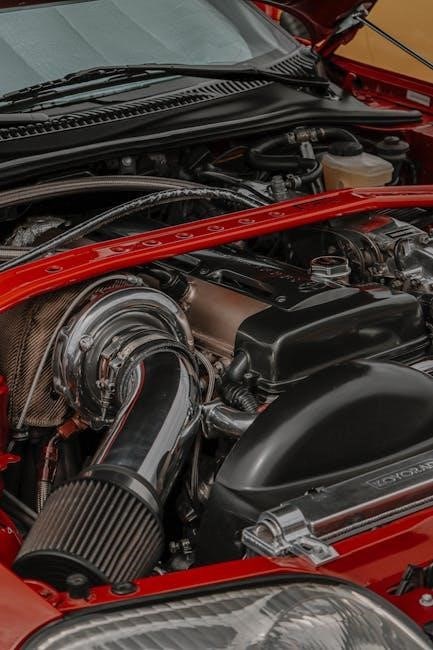
Regular Maintenance Intervals

Consistent upkeep is vital for your Camry; intervals depend on driving habits, ranging from frequent checks at 5,000 miles to less frequent services at 10,000 miles․

Every 5,000 Miles or 6 Months (Severe Conditions)

For drivers operating under severe conditions – frequent short trips, stop-and-go traffic, dusty roads, or extreme temperatures – a more frequent maintenance schedule is paramount․ Specifically, engine oil and filter changes should be performed every 5,000 miles or 6 months, ensuring optimal lubrication and engine protection․ This heightened frequency mitigates the accelerated wear and tear associated with these driving scenarios․

Additionally, a thorough visual inspection of critical components is recommended․ This includes checking fluid levels (coolant, brake fluid, power steering fluid), inspecting belts and hoses for cracks or wear, and examining tires for proper inflation and tread depth․ Proactive identification of potential issues prevents minor concerns from escalating into major, costly repairs․ Remember, severe conditions demand increased vigilance to maintain your Camry’s reliability and performance․

Engine Oil and Filter Change (Severe Driving)

Under severe driving conditions, the engine oil degrades more rapidly, losing its lubricating properties and accumulating contaminants․ Therefore, a consistent engine oil and filter change every 5,000 miles or 6 months is crucial for safeguarding your 2016 Toyota Camry’s engine․ Utilize the oil viscosity recommended in your owner’s manual – typically 0W-20 for optimal fuel efficiency and cold-weather performance․

Employing a high-quality oil filter is equally important, effectively removing debris and ensuring clean oil circulation․ During the oil change, inspect the oil drain plug for damage and replace the crush washer to prevent leaks․ Proper disposal of used oil is environmentally responsible; recycle it at a designated collection center․ Consistent oil changes under severe conditions are a cornerstone of preventative maintenance, extending engine life and preventing costly repairs․

Every 10,000 Miles or 1 Year (Normal Conditions)

For drivers experiencing typical usage, a 10,000-mile or 1-year interval governs several key maintenance tasks for your 2016 Toyota Camry․ Primarily, this includes a standard engine oil and filter change, utilizing the manufacturer’s recommended 0W-20 oil grade․ Additionally, the cabin air filter should be replaced to maintain optimal air quality within the vehicle’s interior, enhancing comfort and reducing allergen exposure․

Furthermore, tire rotation is essential to promote even wear and maximize tire lifespan․ A comprehensive visual inspection of critical components – including brakes, fluids, belts, and hoses – should also be performed․ This proactive approach allows for early detection of potential issues, preventing minor concerns from escalating into major repairs․ Adhering to this schedule ensures reliable performance and longevity․

Engine Oil and Filter Change (Normal Driving)

Maintaining optimal engine health necessitates regular oil and filter changes, particularly under normal driving conditions, which for a 2016 Toyota Camry translates to every 10,000 miles or annually․ Utilize Toyota’s recommended 0W-20 synthetic oil to ensure proper lubrication and protection against wear․ The oil filter should be replaced concurrently with each oil change, removing contaminants and preserving oil quality․

This routine service safeguards the engine’s internal components, promoting efficient operation and extending its lifespan․ Neglecting oil changes can lead to increased friction, overheating, and ultimately, engine failure․ Proper oil viscosity is crucial; deviations can compromise performance․ Always dispose of used oil responsibly, adhering to local environmental regulations․ Consistent adherence to this schedule is a cornerstone of preventative maintenance․

Cabin Air Filter Replacement

The cabin air filter in your 2016 Toyota Camry plays a vital role in maintaining interior air quality, filtering out dust, pollen, and other airborne particles․ While Toyota recommends replacement every 10,000 miles, its lifespan is heavily influenced by driving conditions․ Individuals frequently driving in dusty environments or with allergies should consider more frequent replacements – as needed․

A clogged cabin air filter restricts airflow, reducing HVAC system efficiency and potentially causing unpleasant odors․ Symptoms of a dirty filter include reduced airflow from vents and a musty smell․ Replacing the filter is a straightforward DIY task, typically located behind the glove compartment․ Ensuring a clean cabin air filter contributes to a healthier and more comfortable driving experience for both the driver and passengers․

Tire Rotation

Regular tire rotation is a cornerstone of maintaining even tire wear and maximizing their lifespan on your 2016 Toyota Camry․ Toyota recommends tire rotation every 10,000 miles, coinciding with oil changes for convenience․ This practice ensures all tires experience the same wear patterns, preventing premature replacement and maintaining optimal handling․

The recommended rotation pattern varies depending on whether your Camry is front-wheel drive or all-wheel drive; consult your owner’s manual for specifics․ Ignoring tire rotation can lead to uneven wear, reduced fuel efficiency, and compromised safety․ Proper rotation extends tire life, saves money, and contributes to a smoother, more controlled driving experience․ It’s a simple yet impactful maintenance task․

Visual Inspection of Key Components

Alongside scheduled maintenance, regular visual inspections are vital for identifying potential issues before they escalate into costly repairs on your 2016 Toyota Camry․ During the 10,000-mile service, a technician should inspect brake pads, rotors, hoses, and belts for wear and damage․ Fluid levels – including coolant, brake fluid, and power steering fluid – should also be checked and topped off as needed․

Furthermore, the inspection should encompass the suspension components, steering linkage, and exhaust system for any signs of corrosion, leaks, or damage․ Early detection of these issues can prevent breakdowns and ensure your Camry’s continued reliability․ Don’t hesitate to report any unusual noises or handling characteristics to your mechanic for a thorough assessment․

Every 30,000 Miles or 3 Years

At the 30,000-mile mark, or every three years, your 2016 Toyota Camry requires several key maintenance procedures to maintain optimal performance․ Primarily, the engine air filter should be replaced, ensuring clean air intake for efficient combustion․ For All-Wheel Drive (AWD) models, this interval necessitates inspection of the drive line fluid, with potential replacement recommended based on its condition․

Additionally, a comprehensive inspection of the vehicle’s exhaust system is crucial, checking for leaks or damage․ Technicians should also assess the fuel lines and connections for any signs of deterioration․ Remember, adhering to this schedule helps prevent potential issues and extends the lifespan of your Camry, ensuring a smooth and reliable driving experience․

Engine Air Filter Replacement

The engine air filter plays a vital role in ensuring optimal engine performance by preventing dust, debris, and contaminants from entering the combustion chamber․ According to the 2016 Toyota Camry maintenance schedule, replacement is recommended every 30,000 miles under normal driving conditions․ However, for those operating in severe conditions – frequent stop-and-go traffic, dusty environments – more frequent checks and potential replacement may be necessary․

A clogged air filter restricts airflow, reducing engine efficiency and potentially impacting fuel economy․ Replacing the filter restores proper airflow, contributing to smoother acceleration and overall engine health․ It’s a relatively simple and inexpensive maintenance task that yields significant benefits, safeguarding your Camry’s engine for years to come․

Drive Line Fluid (AWD Models) ‒ Inspection/Replacement

For 2016 Toyota Camry models equipped with All-Wheel Drive (AWD), the driveline fluid – encompassing the transfer case and differential gear oil – requires specific attention․ The maintenance schedule dictates an inspection and potential replacement every 30,000 miles or 3 years․ However, owners experiencing severe driving conditions, such as frequent towing or off-road use, should consider more frequent servicing, potentially at 15,000 miles or 1․5 years․

Maintaining proper driveline fluid levels and quality is crucial for smooth power transfer and preventing damage to the AWD system․ Neglecting this maintenance can lead to increased friction, reduced efficiency, and ultimately, costly repairs․ Regular inspection allows for early detection of leaks or contamination, ensuring optimal AWD performance and longevity․

Every 60,000 Miles or 6 Years

Reaching the 60,000-mile or 6-year mark for your 2016 Toyota Camry necessitates several key maintenance procedures․ Specifically, owners of V6 engine models should prioritize spark plug replacement to ensure optimal combustion and engine performance․ Additionally, for those frequently operating under severe driving conditions, a transmission fluid change is highly recommended at this interval․

Furthermore, a thorough inspection of the shock absorbers and struts is crucial․ While not always requiring immediate replacement, this inspection allows for proactive identification of wear and tear, preventing potential safety issues․ Addressing these components now can maintain ride quality and handling․ Remember, consistent maintenance at these intervals contributes significantly to the long-term reliability and value of your Camry․

Spark Plugs (V6 Engine) ─ Replacement

For 2016 Toyota Camrys equipped with the V6 engine, spark plug replacement is a critical maintenance item scheduled for every 60,000 miles or 6 years․ Worn spark plugs can lead to diminished engine performance, reduced fuel efficiency, and difficulty starting․ Replacing these components ensures optimal ignition and combustion, restoring power and smoothness․

Using the correct spark plug type, as specified in your Camry’s owner’s manual, is paramount․ Improper plugs can damage the engine․ This service is best performed by a qualified mechanic, ensuring correct installation and torque specifications․ Proactive replacement at the recommended interval prevents potential issues and maintains the longevity of your V6 engine, contributing to a reliable driving experience․

Transmission Fluid Change (Severe Driving)

If your 2016 Toyota Camry is frequently subjected to severe driving conditions – encompassing towing, stop-and-go traffic, or extreme temperatures – more frequent transmission fluid changes are essential․ The recommended interval for transmission fluid replacement under these circumstances is every 60,000 miles or 6 years․ Neglecting this service can lead to premature wear and potential transmission failure․

Clean transmission fluid ensures smooth shifting and optimal lubrication of internal components․ Using the correct Toyota-specified transmission fluid is crucial; aftermarket fluids may not meet the required specifications․ A professional fluid exchange, rather than a simple drain and fill, is often recommended to thoroughly remove old fluid․ Prioritizing this maintenance extends the life of your transmission and avoids costly repairs down the road․

Shock and Strut Inspection/Potential Replacement

Routine inspection of your 2016 Toyota Camry’s shocks and struts is vital for maintaining ride quality and handling․ While there isn’t a strict replacement interval, a thorough inspection is recommended around the 60,000-mile mark․ Look for signs of leakage, damage, or excessive wear․ Experienced technicians advise replacing shocks and struts as complete assemblies, including bushings, to ensure optimal performance and avoid future issues․

Worn shocks and struts compromise vehicle stability, increase stopping distances, and contribute to uneven tire wear․ Investing in quality replacement parts is crucial; avoid skimping on this component․ Replacing these components restores the Camry’s original handling characteristics and enhances passenger comfort․ Proactive replacement prevents more significant suspension problems and ensures a safer driving experience․

Every 100,000 Miles or 10 Years

Reaching the 100,000-mile or 10-year mark for your 2016 Toyota Camry necessitates crucial fluid replacements․ Primarily, this is when the engine coolant requires its first complete flush and refill․ Following this initial replacement, coolant should be changed every 50,000 miles or 5 years thereafter to maintain optimal engine temperature regulation and prevent corrosion․

For hybrid Camry models, the inverter coolant also demands its first replacement at this interval․ Similar to engine coolant, subsequent inverter coolant changes are recommended every 50,000 miles or 5 years․ These fluid replacements are essential for the longevity of critical engine and hybrid system components, ensuring continued reliable performance․ Don’t overlook these vital services to avoid potential costly repairs down the road․

Coolant (Engine) ‒ First Replacement

At the 100,000-mile or 10-year service interval, your 2016 Toyota Camry’s engine coolant requires its initial complete replacement․ This is a critical maintenance step, as coolant degrades over time, losing its ability to effectively regulate engine temperature and prevent internal corrosion․ Old coolant can become acidic, damaging radiator hoses, water pumps, and even the engine block itself․

After this first replacement, Toyota recommends changing the engine coolant every 50,000 miles or 5 years․ Using the correct type of coolant, specified in your owner’s manual, is paramount to avoid compatibility issues and ensure optimal performance․ Regular coolant flushes contribute significantly to the long-term health and reliability of your Camry’s engine, preventing costly repairs․

Coolant (Inverter/Hybrid) ‒ First Replacement (Hybrid Models)

For 2016 Toyota Camry Hybrid owners, the inverter coolant – crucial for regulating the temperature of the hybrid system’s components – demands specific attention․ The initial replacement of this coolant is scheduled for 150,000 miles or 10 years, a later interval than the engine coolant due to its different formulation and operating conditions․

Following this first service, Toyota advises replacing the inverter/hybrid coolant every 50,000 miles or 5 years thereafter․ Maintaining this coolant is vital for the longevity of the hybrid battery and power electronics․ Neglecting this maintenance can lead to overheating and potential damage to expensive hybrid system components․ Always use the Toyota-specified hybrid coolant to ensure compatibility and optimal performance․

Every 120,000 Miles or 12 Years

Reaching the 120,000-mile mark, or 12 years of ownership, necessitates several key maintenance procedures for your 2016 Toyota Camry․ Most notably, this interval calls for a complete transmission fluid change, a critical service often overlooked but vital for maintaining smooth shifting and preventing transmission damage․ For those operating under normal driving conditions, this is the first scheduled transmission fluid replacement․

However, owners who frequently engage in severe driving – such as towing, stop-and-go traffic, or extreme temperatures – should have already addressed this service at the 60,000-mile mark․ Additionally, the spark plugs on 4-cylinder engine Camrys require replacement at this interval, ensuring optimal engine performance and fuel efficiency․ Prioritizing these services will contribute to the continued reliability of your vehicle․

Spark Plugs (4-Cylinder Engine) ‒ Replacement

For 2016 Toyota Camrys equipped with the 4-cylinder engine, spark plug replacement is a crucial maintenance item scheduled for completion at 120,000 miles or 12 years, whichever comes first․ These components are essential for igniting the air-fuel mixture within the engine cylinders, directly impacting performance and fuel economy․ Worn spark plugs can lead to misfires, reduced power, and increased emissions․

Replacing the spark plugs at the recommended interval ensures optimal combustion efficiency and prevents potential damage to other engine components․ It’s important to use the correct spark plug type specified by Toyota for your vehicle․ A qualified technician can perform this service efficiently and accurately, guaranteeing a smooth-running engine for years to come․ Don’t delay this important maintenance task!

Transmission Fluid Change (Normal Driving)

Under typical, or “normal” driving conditions, the 2016 Toyota Camry’s transmission fluid should be replaced at 120,000 miles or 12 years, according to official Toyota maintenance schedules․ This fluid is vital for lubricating the transmission’s internal components, ensuring smooth shifting and preventing premature wear․ Neglecting this service can lead to costly transmission repairs or even failure․

Regular fluid changes help maintain optimal transmission performance and extend its lifespan․ It’s crucial to use the Toyota-specified transmission fluid to avoid compatibility issues and potential damage․ A complete flush and fill, performed by a qualified technician, is recommended․ However, if the vehicle frequently experiences severe driving conditions, such as towing or stop-and-go traffic, consider shortening this interval to 60,000 miles․

Additional Maintenance Considerations

Beyond scheduled services, proactively address wheel bearings around 70,000 miles, starter contacts near 100,000, and promptly repair paint damage․

Wheel Bearing Replacement (Around 70,000 Miles)

As your 2016 Toyota Camry accumulates mileage, wheel bearings are a component often requiring attention around the 70,000-mile mark․ While not a strictly defined interval in the official maintenance schedule, experienced technicians recommend proactive inspection and potential replacement at this point․ Symptoms of failing wheel bearings include a humming or growling noise that changes with vehicle speed, particularly during turns․

Ignoring these sounds can lead to more significant issues, including uneven tire wear and, in severe cases, wheel separation․ Replacement is best handled by a qualified mechanic, as it requires specialized tools and expertise․ Consider replacing wheel bearings in pairs (both front or both rear) to ensure balanced handling and prevent future imbalances․ This preventative measure contributes to a smoother, safer driving experience and avoids more costly repairs down the road․

Starter Contacts Replacement (Around 100,000 Miles)

Around the 100,000-mile milestone for your 2016 Toyota Camry, the copper contacts within the starter motor often begin to show wear․ This isn’t typically a scheduled maintenance item, but a common point of failure identified by experienced Toyota technicians․ Symptoms include intermittent starting issues – the engine may crank slowly or not at all․ Replacing these contacts is often a more economical solution than replacing the entire starter assembly․

Fortunately, this is a relatively straightforward repair for a mechanic․ Addressing this issue proactively can prevent being stranded with a non-starting vehicle․ While alternators generally prove quite durable, monitoring for unusual noises or diminished charging performance is advisable․ Prioritizing this starter contact replacement contributes to reliable starting and avoids potential inconveniences․

Sensor Lifespan & Replacement

Predicting the lifespan of sensors in your 2016 Toyota Camry is inherently challenging․ Unlike components with fixed replacement intervals, sensor longevity varies significantly based on driving conditions and individual unit quality․ Experienced Toyota technicians note that many sensors can exceed the vehicle’s lifespan, as demonstrated by examples like a Land Cruiser with original sensors at 329,000 miles․

However, be vigilant for warning signs like illuminated check engine lights, erratic engine behavior, or inaccurate gauge readings․ Regular diagnostic scans can identify failing sensors before they cause major issues; While proactive replacement isn’t generally recommended, addressing sensor failures promptly ensures optimal engine performance and prevents potential damage to other components․

Paint Chip and Scratch Repair

Protecting your 2016 Toyota Camry’s exterior isn’t solely about aesthetics; it’s about preventing corrosion and maintaining long-term value․ Promptly addressing paint chips and scratches is crucial, as exposed metal can quickly rust, leading to more extensive and costly repairs down the line․ A technician’s advice emphasizes timely action – “when you get stone chips and little scratches in it, get them fixed․”

Even minor imperfections allow moisture and road salts to reach the underlying metal․ Touch-up paint kits are readily available for DIY repairs, but professional detailing offers a more seamless and durable finish․ Consider this an investment in your vehicle’s future, ensuring it remains visually appealing and structurally sound for years to come, potentially benefiting future generations․

Head Gasket Inspection (Around 150,000 Miles)

As your 2016 Toyota Camry accumulates mileage, particularly approaching or exceeding 150,000 miles, proactive inspection of the head gasket becomes increasingly important․ While not a guaranteed failure point, a technician’s experience suggests considering this service around this interval – “you could change the head gasket at 150000․” The head gasket seals the engine’s combustion chambers, and failure can lead to significant engine damage․

Symptoms of a failing head gasket include coolant loss, overheating, white smoke from the exhaust, and oil contamination․ A thorough inspection can identify potential issues before they escalate into major repairs․ This preventative measure can save you substantial costs and ensure continued reliable performance from your Camry’s engine, extending its lifespan considerably․

Locating Your Official Maintenance Schedule

Your Camry’s precise maintenance intervals are detailed in the separate maintenance and warranty manual, distinct from the owner’s manual; consult this document for accuracy․

The Toyota Camry Maintenance and Warranty Manual

The dedicated Toyota Camry Maintenance and Warranty Manual is the definitive source for your vehicle’s specific service requirements․ Unlike the general owner’s manual, this document outlines precise intervals for all scheduled maintenance tasks, categorized by both normal and severe driving conditions․ It details everything from oil changes – at 5,000 miles/6 months for severe use, or 10,000 miles/1 year for normal – to coolant replacements (first at 100,000 miles/10 years);

You’ll find guidance on cabin and engine air filter replacements, tire rotations, spark plug changes (varying by engine type – 60,000 miles for V6, 120,000 miles for 4-cylinder), and transmission fluid services (60,000 miles severe, 120,000 miles normal)․ AWD models have specific driveline fluid inspection/replacement schedules․ This manual, often overlooked, is crucial for maintaining your Camry’s warranty and ensuring its long-term reliability․ Locate yours for a complete, accurate maintenance roadmap․


Bytrace

cadet field manual

The NJROTC Cadet Field Manual (CFM) provides essential information regarding drill, ceremonies, and uniform regulations for all cadets.

Careful study of the 11th edition, revised in 2018, and the 12th edition draft from 2024, is crucial for success.

Purpose and Scope of the Manual

The primary purpose of the NJROTC Cadet Field Manual is to serve as a comprehensive guide for cadets, detailing essential aspects of military protocol and procedure.

Specifically, it focuses on providing detailed information concerning military drill ceremonies and the correct regulations for uniform wear, ensuring standardization and discipline within the NJROTC units.

This manual aims to equip cadets with the knowledge necessary to perform drill movements accurately, understand formation drills, and properly execute the manual of arms with either a rifle or sword.

Furthermore, it’s designed to be a foundational resource, complementing the Cadet Reference Manual (CRM), and offering accessible information for cadets at all levels of experience. Questions should be directed to the Area Manager via the Curriculum Advisory Board Representative.

History and Editions of the CFM

The NJROTC Cadet Field Manual has undergone several revisions to remain current with evolving military standards and NJROTC program requirements.

Currently available are the 11th Edition, revised in 2018, accessible as a PDF file, and a Master Draft of the 12th Edition, dated April 17, 2024, also in PDF format. These editions represent significant updates to the manual’s content and presentation.

Earlier versions, including those with corrections from January 2017, are also referenced, highlighting a continuous effort to refine and improve the resource.

Cadets are encouraged to utilize the most recent draft available, while acknowledging that updates and revisions are ongoing processes, ensuring the manual remains a relevant and reliable guide for NJROTC training.

Military Drill and Ceremonies

The Cadet Field Manual details essential military drill movements, formation drills like column and line, and proper manual of arms procedures for rifle or sword.

Basic Drill Movements

The Cadet Field Manual meticulously outlines fundamental drill movements crucial for NJROTC cadets. These movements form the bedrock of precision marching and coordinated unit performance.

Cadets will learn and master essential commands such as “Attention,” “At Ease,” “Rest,” and “Fall In.” Proper execution of these commands ensures discipline and uniformity within the unit.

Further instruction covers footwork techniques, including the precise steps for marching at different tempos and maintaining proper alignment. Emphasis is placed on maintaining a consistent bearing and responding instantly to commands.

Understanding and practicing these basic movements is paramount, as they serve as the foundation for more complex drill routines and ceremonial formations. Consistent practice builds muscle memory and instills a sense of pride and professionalism.

Formation Drills (Column, Line)

The Cadet Field Manual details the execution of key formation drills, specifically focusing on column and line formations. These formations are fundamental to displaying unit cohesion and tactical flexibility.

Cadets learn the procedures for transitioning between these formations smoothly and efficiently, responding to commands with precision and speed. Proper spacing and alignment are emphasized to maintain a visually impressive and disciplined appearance.

The manual provides step-by-step instructions for forming a column, maintaining its integrity during movement, and executing turns. Similarly, it covers the techniques for establishing a straight and uniform line formation.

Mastering these formations requires diligent practice and a thorough understanding of the commands involved. Successful execution demonstrates a cadet’s ability to work as part of a team and follow instructions accurately.

Manual of Arms (Rifle/Sword)

The Cadet Field Manual dedicates significant attention to the “Manual of Arms,” outlining precise movements for both rifle and sword handling. This section emphasizes safety, discipline, and the respectful handling of these symbolic weapons.

Cadets are instructed on proper techniques for carrying, presenting, and securing both rifles and swords, adhering to strict standards of precision. Each movement, from “order arms” to “present arms,” is detailed with clear instructions and illustrations.

The manual stresses the importance of maintaining a firm grip, correct posture, and synchronized movements within a unit. Mastering the Manual of Arms demonstrates a cadet’s commitment to military bearing and attention to detail.

Safe weapon handling is paramount, and the CFM reinforces safety protocols throughout this section, ensuring cadets understand the responsibilities associated with weapon proficiency.

Uniform Regulations

The Cadet Field Manual thoroughly details proper uniform wear, components, and accessories, establishing inspection standards for a professional appearance and adherence to regulations.

Proper Wear of the NJROTC Uniform

The Cadet Field Manual emphasizes the importance of presenting a sharp, professional appearance while wearing the NJROTC uniform. This section meticulously outlines the correct placement of all insignia, ribbons, and awards, ensuring cadets understand the standards for a polished look.

Detailed guidance is provided on how each component should fit – from the proper length of trousers to the correct positioning of the necktie or ascot. Attention is given to grooming standards, including hair appearance and the wearing of appropriate footwear.

The manual stresses that adherence to these regulations isn’t merely about aesthetics; it reflects discipline, respect, and pride in the NJROTC program. Consistent and correct uniform wear builds unit cohesion and represents the high standards of the Navy Junior Reserve Officers Training Corps.

Uniform Components and Accessories

The Cadet Field Manual provides a comprehensive inventory of all NJROTC uniform components, detailing each item’s specific purpose and authorized use. This includes descriptions of the service uniform, working uniform, and special occasion attire, outlining variations for different ranks and occasions.

Accessories, such as belts, shoes, socks, and headgear, are also thoroughly explained, specifying acceptable styles and colors. The manual clarifies the proper wear of ribbons, medals, and insignia, including placement guidelines and precedence rules.

Cadets learn to distinguish between authorized and unauthorized accessories, ensuring compliance with regulations. Understanding these components and their correct usage is vital for maintaining a professional appearance and demonstrating respect for the NJROTC program’s traditions.

Uniform Inspection Standards

The Cadet Field Manual meticulously outlines the standards for uniform inspections, emphasizing the importance of a neat, clean, and properly worn uniform as a reflection of discipline and pride. Inspections assess adherence to regulations regarding fit, condition, and arrangement of all uniform components.

Inspectors evaluate details like proper buttoning, ironing, shoe shine, and the correct placement of insignia and ribbons. Common discrepancies, such as wrinkled clothing, missing items, or incorrect accessories, are specifically addressed.

Cadets are expected to demonstrate a thorough understanding of uniform regulations and proactively correct any deficiencies. Successful inspections contribute to overall unit appearance and reinforce the NJROTC’s commitment to excellence and attention to detail.

Chain of Command and Protocol

The Cadet Field Manual details the naval chain of command, proper forms of address, and respectful interaction, referencing OPNAVINST 1710.7 for guidance.

Understanding the Naval Chain of Command

The Cadet Field Manual emphasizes a clear understanding of the naval chain of command as fundamental to effective operation and respect within the NJROTC unit.

This hierarchical structure ensures orders are efficiently communicated and executed, originating from higher authorities and flowing down through successive levels of responsibility.

Cadets must recognize their position within this chain, understanding to whom they report and from whom they receive direction.

Proper adherence to this structure fosters discipline, accountability, and a cohesive unit environment.

Knowing the correct channels for communication and reporting is vital for addressing concerns and maintaining operational readiness. The manual provides a foundational understanding of this critical aspect of naval service.

Proper Forms of Address and Respect

The Cadet Field Manual details the importance of utilizing proper forms of address and demonstrating respect within the NJROTC environment, mirroring naval tradition.

Cadets are expected to address superiors using their rank and last name – for example, “Sir” or “Ma’am” followed by the officer’s last name.

Understanding and adhering to these protocols demonstrates professionalism and respect for authority.

The manual references OPNAVINST 1710.7, The Navy Social Usage and Protocol Handbook, as a comprehensive guide to proper etiquette.

Correctly answering questions regarding the chain of command, and employing respectful language, are key indicators of a cadet’s understanding of naval customs and courtesies.

Social Usage and Protocol Handbook (OPNAVINST 1710.7)

The Cadet Field Manual explicitly directs cadets to OPNAVINST 1710.7, “The Navy Social Usage and Protocol Handbook,” for detailed guidance on proper conduct.

This handbook serves as the definitive resource for navigating social situations and understanding the nuances of naval etiquette within the NJROTC program.

It covers a broad spectrum of topics, from official functions and ceremonies to everyday interactions with superiors and peers.

Cadets are expected to familiarize themselves with the handbook’s contents to ensure they consistently demonstrate professionalism and respect.

Adherence to these guidelines reinforces the values of honor, courage, and commitment central to the NJROTC ethos, fostering a positive and disciplined environment.

Cadet Handbook and Reference Materials

The Cadet Field Manual (CFM) works alongside the Cadet Reference Manual (CRM), providing detailed regulations and information for NJROTC cadets’ use.

Relationship between CFM and Cadet Reference Manual (CRM)

The Cadet Field Manual (CFM) and Cadet Reference Manual (CRM) are vital resources for NJROTC cadets, though they serve distinct purposes. The CFM focuses on practical application – drill, ceremonies, and uniform regulations – offering a “how-to” guide for cadet activities.

Conversely, the CRM provides a broader understanding of the NJROTC program, naval history, leadership principles, and related subjects. Think of the CFM as the operational guide and the CRM as the foundational knowledge base.

Cadets are expected to be familiar with both manuals, utilizing the CRM to build a strong theoretical understanding and the CFM to execute procedures correctly. They complement each other, ensuring well-rounded training and preparedness.

Accessing and Utilizing Online Resources

NJROTC cadets have access to valuable online resources supplementing the Cadet Field Manual (CFM) and Cadet Reference Manual (CRM). Units can access the NJROTC Drill Manual online, aiding in mastering drill movements and formations.

Furthermore, PDF versions of both the CFM (2018 & drafts from 2017 and 2024) and CRM are often available through school or district resources, facilitating convenient study and reference.

Cadets should also consult official Navy resources like OPNAVINST 1710.7, the Navy Social Usage and Protocol Handbook, accessible online. Effective utilization of these digital tools enhances learning and ensures cadets remain current with program standards and expectations.

Updates and Revisions to the Manual (2017, 2018, 2024)

The NJROTC Cadet Field Manual (CFM) undergoes periodic updates to reflect evolving standards and best practices. The 11th edition was revised in 2018, incorporating changes to drill, ceremonies, and uniform regulations.

Prior to that, the January 2017 edition with corrections served as the primary reference. Currently, a 12th edition master draft, dated April 17, 2024, is available, indicating ongoing refinement of the manual’s content.

Cadets and instructors should remain aware of these revisions, ensuring they utilize the most current version for accurate information and adherence to NJROTC guidelines. Staying informed about updates is vital for maintaining program excellence.

Leadership and Teamwork

The Cadet Field Manual emphasizes principles of effective leadership and the critical importance of team cohesion for successful NJROTC cadet operations.

Principles of Effective Leadership

The Cadet Field Manual doesn’t explicitly detail leadership principles within the provided text snippets, but implies their importance through the emphasis on cadet officer responsibilities and team cohesion.

Effective leadership within NJROTC likely draws from naval traditions of responsibility, discipline, and decision-making. Cadets are expected to demonstrate initiative, integrity, and a commitment to serving others.

Leading by example, clear communication, and fostering a positive team environment are crucial. Understanding the chain of command, as outlined in the manual and OPNAVINST 1710.7, is also fundamental.

Ultimately, the manual prepares cadets to assume leadership roles, promoting a culture of accountability and mutual respect, essential for both NJROTC and future endeavors.

Importance of Team Cohesion

While the provided text excerpts from the Cadet Field Manual don’t directly address team cohesion, it’s implicitly vital for successful drill and ceremony execution, and overall unit effectiveness.

NJROTC emphasizes working together, following orders, and maintaining discipline – all cornerstones of a cohesive team. Successful formations, like columns and lines, demand synchronized movement and mutual support.

The manual’s focus on protocol and respect (OPNAVINST 1710.7) fosters a positive environment where cadets trust and rely on each other. Strong team cohesion enhances morale, improves performance, and prepares cadets for collaborative leadership roles.

Ultimately, a united NJROTC unit, built on shared values and mutual respect, is far more effective than a collection of individuals.

Cadet Officer Responsibilities

Although the provided Cadet Field Manual excerpts don’t explicitly detail officer responsibilities, they are fundamentally linked to the manual’s core principles.

Cadet officers are responsible for understanding and enforcing the uniform regulations outlined within the CFM, ensuring proper wear and adherence to standards during inspections.

They must demonstrate proficiency in military drill and ceremonies, leading formations and executing the manual of arms with precision.

Furthermore, officers embody the chain of command and protocol, upholding standards of respect and social usage (OPNAVINST 1710.7). Effective leadership, as implied by the manual, requires mastering its contents and inspiring their teams.

Bytrace

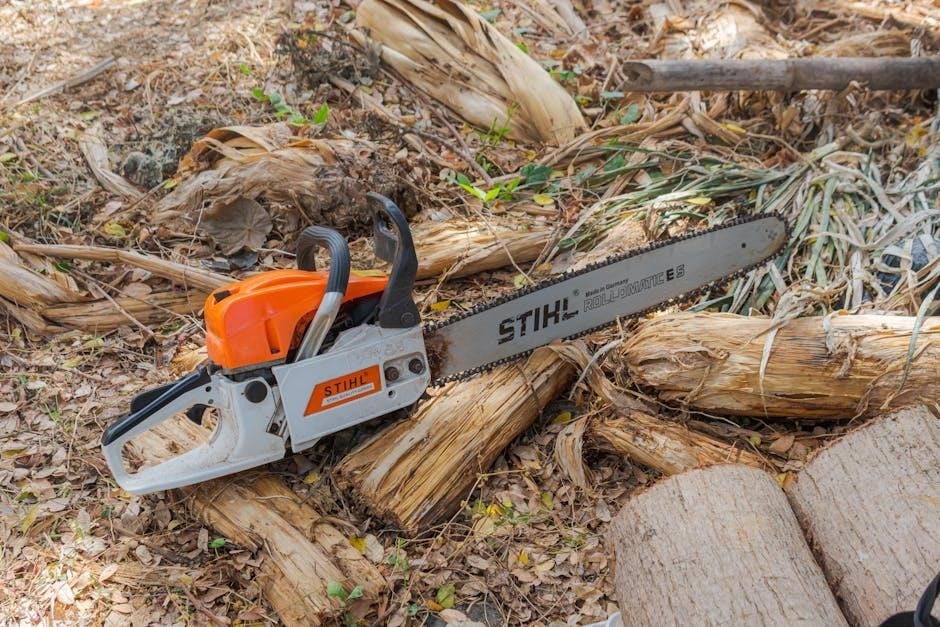
stihl 180 manual

Stihl 180 Manual: A Comprehensive Guide

This comprehensive guide details the operation and maintenance of the Stihl MS 180 chainsaw, covering safety, assembly, starting, and troubleshooting for optimal performance.

Understanding this manual ensures safe and efficient use, preventing damage to the tool and potential harm to the operator, as outlined in provided instructions.

Always prioritize safety precautions and adhere to the guidelines for personal protective equipment, kickback prevention, and proper cutting techniques for responsible operation.

The Stihl MS 180 is a lightweight, gasoline-powered chainsaw designed for homeowners and occasional users. It’s renowned for its ease of use, reliable performance, and compact design, making it ideal for various tasks like pruning, cutting firewood, and light felling.

This manual provides essential information for safe and effective operation, covering everything from initial setup to routine maintenance. Understanding the chainsaw’s components and adhering to safety guidelines are crucial for preventing accidents and maximizing its lifespan.

Proper use, as detailed within, ensures optimal cutting performance and minimizes the risk of injury to the operator and bystanders. Always consult this guide before operating the Stihl MS 180.

Safety Precautions

Operating a chainsaw demands strict adherence to safety protocols. Always wear appropriate Personal Protective Equipment (PPE), including a helmet, eye protection, hearing protection, gloves, and chainsaw chaps. Be acutely aware of potential kickback hazards, maintaining a firm grip and proper stance.

Never operate the chainsaw with one hand, and ensure a secure footing. Inspect the surrounding area for obstacles and bystanders, maintaining a safe working distance. Avoid cutting above shoulder height, and always shut off the engine before refueling or performing maintenance.

Familiarize yourself with emergency stop mechanisms and understand the risks associated with improper use.

Personal Protective Equipment (PPE)

Essential PPE is crucial when operating the Stihl 180. A certified helmet safeguards against falling debris, while safety glasses or a face shield protect your eyes. Hearing protection, like earmuffs, minimizes noise exposure. Heavy-duty, cut-resistant gloves enhance grip and offer hand protection.

Chainsaw chaps are vital, providing leg protection against accidental contact with the chain. Sturdy, steel-toed boots offer foot protection and stability. Appropriate clothing should be snug-fitting, avoiding loose garments that could get caught.

Regularly inspect PPE for damage, replacing worn or compromised items immediately.

Kickback Prevention

Kickback, a sudden, forceful upward or backward movement of the chainsaw, is a significant hazard. Avoid cutting with the upper quadrant of the bar’s tip, as this is the primary kickback zone. Maintain a firm grip with both hands, keeping your thumbs wrapped around the handles.

Always stand to the side of the cutting path, never directly behind the saw. Be mindful of hidden obstacles like branches or nails that can cause kickback. Utilize a reduced-kickback chain and bar combination for increased safety.

Proper chain sharpness is vital; a dull chain increases kickback risk.

Understanding the Components

The Stihl 180 chainsaw comprises several key components. The engine provides power, while the chain and bar facilitate cutting. Familiarize yourself with the location and function of controls like the on/off switch, throttle trigger, and choke.

The fuel tank holds the fuel mixture, and the oil tank contains chain lubricant. Understanding these parts is crucial for proper assembly, operation, and maintenance.

Regularly inspect each component for wear or damage, ensuring optimal performance and safety. Refer to diagrams within the manual for detailed identification.

Engine Overview

The Stihl 180 utilizes a 2-stroke engine, known for its power-to-weight ratio and simplicity. This engine requires a precise fuel-to-oil mixture for lubrication and optimal combustion.

Key engine components include the cylinder, piston, and crankshaft, all working in unison to generate power. Proper air filtration is vital, preventing debris from damaging internal parts.

Regular maintenance, such as spark plug checks and air filter cleaning, ensures reliable engine performance. Understanding the engine’s basic operation is essential for troubleshooting and longevity.

Chain and Bar Details

The Stihl 180 chainsaw employs a roller-matic chain, designed for efficient cutting and reduced kickback risk. Chain pitch and gauge must match the bar specifications for safe operation.

The guide bar provides support and direction for the chain, requiring regular maintenance to ensure smooth movement. Bar rails should be filed to the correct height, maintaining optimal cutting performance.

Chain tension is critical; too loose causes derailment, while too tight strains the engine. Inspect the chain frequently for damage, replacing it when necessary for continued safety.

Controls and Switches

The Stihl 180 features a straightforward control layout, including a combined on/off switch and choke control. This switch activates the engine and engages the choke for cold starts.

A throttle trigger regulates engine speed, providing proportional control over cutting power. The throttle lockout button prevents accidental throttle engagement, enhancing safety during operation and transport.

The decompression lever reduces compression, aiding in easier starting by lessening the force needed to pull the starter cord. Familiarize yourself with each control’s function before operating the chainsaw.

Assembly Instructions

Before first use, some assembly is required. Carefully unpack all components and verify everything is present. Begin by attaching the chain to the bar, ensuring the drive links face the correct direction as indicated by the arrow markings.

Next, install the bar onto the chainsaw, aligning the bar mounting studs with the corresponding holes in the anti-vibration system. Secure the bar with the bar nut, tightening it firmly but not excessively.

Always double-check the chain tension after initial assembly and periodically during use to maintain optimal cutting performance and prevent chain derailment.

Attaching the Chain

Begin by positioning the bar on a stable surface. Carefully feed the chain into the bar’s groove, ensuring the drive links (with the rivets facing outwards) engage with the sprocket. Verify the chain’s cutting edges point in the correct rotational direction.

Once the chain is fully seated, align the chain with the bar and carefully place it around the sprocket. Ensure the chain is not twisted or pinched during installation. Proper chain seating is crucial for safe operation.

Always refer to the manual’s diagrams for visual guidance on correct chain installation.

Bar Installation

Before installing the bar, inspect the chainsaw’s mounting studs for cleanliness and damage. Position the bar onto the studs, aligning the bar’s mounting holes with the studs. Ensure the bar’s oil holes are correctly oriented for lubrication.

Secure the bar with the bar nut, tightening it by hand initially. Then, using the provided wrench, tighten the nut to the manufacturer’s specified torque. Avoid over-tightening, which can damage the bar or studs.

Verify the bar is securely fastened and moves freely. A properly installed bar is essential for safe and efficient cutting.

Starting the Chainsaw

Before starting, ensure the chainsaw is on a firm, level surface and the chain brake is engaged. Verify proper fuel mixture and fuel level. Activate the choke for cold starts, and disengage it for warm starts.

Engage the on/off switch and pull the starter cord with a firm, steady motion. Avoid jerking the cord, as this can damage the starter mechanism. Once the engine sputters, disengage the choke and continue pulling until it starts.

Release the chain brake and allow the engine to warm up before use.

Fueling and Mixing Ratio

The Stihl 180 requires a precise fuel mixture of unleaded gasoline and high-quality 2-stroke engine oil. The recommended ratio is 50:1 – meaning 50 parts gasoline to 1 part oil. Always use fresh fuel and avoid ethanol blends exceeding 10%.

Carefully measure the oil and gasoline before mixing, using a dedicated fuel container. Thoroughly shake the mixture to ensure proper blending; Never use straight gasoline, as it will damage the engine.

Always refuel in a well-ventilated area, away from sparks or flames.

Cold Start Procedure

To cold start your Stihl 180, ensure the chain brake is engaged and the machine is on a flat surface. Activate the choke by moving the choke lever to the “start” position. Slowly pull the starter cord with a firm, steady motion until the engine attempts to start.

Once the engine sputters, disengage the choke and pull the starter cord again. Repeat if necessary. After starting, allow the engine to warm up briefly before use.

Never flood the engine by repeatedly pulling the starter cord with the choke engaged.

Warm Start Procedure

For a warm start on your Stihl 180, disengage the choke. The engine retains some heat, eliminating the need for choking in most cases. Firmly press the decompression lever to reduce resistance, then pull the starter cord with a smooth, consistent motion.

Avoid excessive pulling; the engine should start relatively easily. If it doesn’t, briefly engage the choke and try again.

Never use the choke for extended periods during a warm start, as this can flood the engine.

Operational Instructions

Before each use, inspect the Stihl 180 for damage, ensuring the chain is sharp and properly tensioned. Always maintain a firm grip with both hands, keeping a safe distance from the cutting area. Utilize proper cutting techniques, avoiding pinching the bar.

Be aware of your surroundings, looking for obstacles like roots or stones. Never work alone; maintain audible communication with others.

Always shut off the engine before moving to a new cutting location or performing any maintenance.

Proper Cutting Techniques

Employ a firm stance and secure grip when operating the Stihl 180, maintaining control at all times. Utilize the lower portion of the bar for felling, avoiding pinching. Plan your cuts carefully, considering the tree’s lean and potential roll direction.

Avoid cutting above shoulder height, as this increases the risk of losing control. Never cut with the tip of the bar, minimizing kickback potential. Always be mindful of hidden obstacles.

Release cutting pressure as the bar nears completion, preventing binding and ensuring a clean cut.

Felling Small Trees

When felling smaller trees with your Stihl 180, assess the natural lean and clear the surrounding area of obstacles and bystanders. Create a notch on the side facing the desired fall direction, approximately one-third of the tree’s diameter.

Follow with a back cut, slightly higher than the notch base, leaving a hinge to control the fall. Avoid cutting completely through, maintaining hinge integrity.

Utilize wedges if necessary to guide the tree’s descent and prevent pinching of the bar. Be prepared to move quickly away from the falling tree’s path.

Maintenance and Care

Regular maintenance is crucial for your Stihl 180’s longevity. Consistent chain sharpening ensures efficient cutting and reduces strain on the engine. Inspect the bar frequently for wear and damage, filing down burrs and maintaining proper tension.

Clean the air filter after each use, or more often in dusty conditions, to maintain optimal engine performance. Regularly check and tighten all nuts and bolts. Proper care prevents costly repairs and ensures safe operation.

Adhering to a maintenance schedule will maximize the lifespan and reliability of your chainsaw.

Chain Sharpening

Maintaining a sharp chain is vital for safe and efficient cutting. Use a round file of the correct size, guided by a sharpening guide, to restore the cutting angles. Ensure all cutters are filed to the same length and depth.

Pay attention to the depth gauges, filing them down if necessary to maintain proper cutting performance. A dull chain requires more force, increasing kickback risk. Regular sharpening extends chain life and reduces engine strain.

Professional sharpening is recommended if you’re unfamiliar with the process.

Bar Maintenance

Regular bar maintenance ensures smooth chain operation and prolongs its lifespan. Clean the bar groove frequently to remove sawdust and debris, preventing binding and wear. Inspect the bar rails for burrs or damage, filing them smooth if needed.

Periodically reverse the bar to distribute wear evenly. Check the bar for straightness; a bent bar can cause chain derailment and damage. Lubricate the bar regularly with bar and chain oil to reduce friction.

Replace the bar when worn or damaged beyond repair.

Air Filter Cleaning

Maintaining a clean air filter is crucial for engine performance. Regularly inspect the air filter for dirt and debris; a clogged filter restricts airflow, reducing power and increasing fuel consumption. Remove the filter cover and gently clean the filter element.

For paper filters, tap lightly to dislodge dirt or use compressed air, blowing from the inside out. Foam filters can be washed in warm, soapy water, rinsed thoroughly, and allowed to dry completely before re-oiling.

Replace the air filter when damaged or excessively dirty.

Troubleshooting Common Issues

Encountering problems with your Stihl 180? This section addresses frequent issues. If the engine won’t start, check fuel levels, spark plug condition, and ensure the choke is properly engaged. A chain that stops moving may indicate a blocked bar, insufficient chain oil, or a worn-out drive sprocket.

Always disconnect the spark plug wire before inspecting or repairing the chainsaw. Refer to the manual for detailed diagnostics and solutions. If issues persist, consult a qualified Stihl dealer for professional assistance.

Engine Won’t Start

A non-starting engine is a common issue. First, verify adequate fuel in the tank and the correct fuel mixing ratio. Inspect the spark plug for fouling or damage, cleaning or replacing it as needed. Ensure the choke is engaged for cold starts and disengaged for warm restarts.

Check the air filter for obstructions, as a clogged filter restricts airflow. Confirm the spark plug wire is securely connected. If problems continue, a carburetor issue may exist, requiring professional attention.

Chain Stops Moving

If the chain stops during operation, immediately shut off the engine. A common cause is a clogged chain brake; release and re-engage it to ensure proper function. Inspect the chain for tightness – a loose chain can slip off the bar. Verify adequate chain oiler lubrication, as insufficient oil causes excessive friction.

Check for debris obstructing the chain or bar. A damaged drive sprocket or clutch can also halt chain movement, potentially requiring professional repair or replacement.

Fuel System Maintenance

Maintaining a clean fuel system is crucial for reliable Stihl 180 performance. Regularly replace the fuel filter to prevent debris from reaching the carburetor, ensuring smooth engine operation. Periodically inspect fuel lines for cracks or leaks, replacing them as needed.

Carburetor adjustments may be necessary if the engine runs poorly; however, this is best left to a qualified technician to avoid improper settings and potential damage. Always use fresh fuel and stabilizer for optimal results.

Fuel Filter Replacement

Regular fuel filter replacement is vital for a properly functioning Stihl 180. Locate the fuel filter within the fuel tank, typically accessible by removing the fuel tank cap. Carefully disconnect the fuel lines, noting their positions for reassembly.

Remove the old filter and install a new one, ensuring a secure fit. Reconnect the fuel lines correctly, and firmly replace the fuel tank cap. This simple maintenance step prevents debris from clogging the carburetor, ensuring optimal engine performance.

Carburetor Adjustment

Adjusting the carburetor on your Stihl 180 requires precision. Begin by ensuring the air filter is clean. Locate the carburetor adjustment screws – typically labeled ‘H’ (high speed) and ‘L’ (low speed). Warm up the engine before making adjustments.

Turn the ‘L’ screw for idle speed and mixture, then the ‘H’ screw for high-speed performance. Small adjustments are key; listen for smooth engine operation. If unsure, consult a qualified Stihl service technician to avoid damaging the engine.

Storage Guidelines

Proper storage preserves your Stihl 180’s longevity. Before long-term storage, thoroughly clean the chainsaw, removing sawdust and debris. Drain the fuel tank completely to prevent gumming and corrosion within the fuel system. Consider adding fuel stabilizer to any remaining fuel.

Store the chainsaw in a dry, secure location, away from direct sunlight and extreme temperatures. Remove the chain and bar, applying oil for rust prevention. Always engage the chain brake for added safety during storage.

Long-Term Storage Preparation

Preparing your Stihl 180 for extended storage is crucial. Begin by completely draining the fuel tank and running the engine until it stalls to remove residual fuel. Clean the chainsaw thoroughly, removing all sawdust and debris from the engine and cooling fins.

Apply a light coating of oil to the chain and bar to prevent rust formation. Store the chainsaw in a dry, dust-free environment, ideally in its case. Disconnect the spark plug wire for an extra safety measure during prolonged inactivity.

Fuel Stabilization

To prevent fuel degradation during storage, utilize a fuel stabilizer. Add the stabilizer to fresh fuel according to the manufacturer’s instructions, ensuring thorough mixing. Run the engine for a few minutes to circulate the stabilized fuel throughout the fuel system.

Stabilized fuel maintains its combustibility for extended periods, preventing gum and varnish buildup in the carburetor. This simplifies restarting after long-term storage and avoids costly repairs. Always refer to the Stihl documentation for recommended stabilizer types and ratios.

Technical Specifications

The Stihl MS 180 boasts a 2-stroke engine with a displacement of 45.4 cc (2.77 cu in), delivering 2.3 kW (3.1 hp) of power. Its fuel tank capacity is 0;25 liters (8.5 fl oz), and the oil tank holds 0.18 liters (6.1 fl oz).

The chainsaw weighs 4.9 kg (10.8 lbs) without a bar and chain. Recommended bar lengths range from 30 cm to 40 cm (12” to 16”). Chain pitch is 3/8” with a gauge of 0.050”. These specifications ensure optimal performance and efficiency.

Warranty Information

Stihl offers a limited warranty on the MS 180 chainsaw, covering defects in materials and workmanship. The standard warranty period is typically one year from the date of purchase for homeowner use. Commercial or professional use may have a shorter warranty duration, often 90 days;

This warranty excludes normal wear and tear, improper maintenance, or damage caused by misuse. Registration of your Stihl product is recommended to validate warranty coverage. Contact your local Stihl dealer for complete warranty details and claim procedures.

Stihl Dealer Locator

Finding a qualified Stihl dealer is crucial for purchasing genuine parts, receiving expert service, and accessing warranty support for your MS 180 chainsaw. Stihl maintains an extensive network of authorized dealers across the country, offering sales, repairs, and maintenance services.

To locate the nearest dealer, visit the official Stihl website and utilize their dealer locator tool. You can search by zip code or city to find nearby locations, along with contact information and operating hours. Support your local dealer for continued assistance!

Frequently Asked Questions (FAQ)

Q: Where can I find a downloadable Stihl 180 manual? A: Official manuals are available on the Stihl website or through authorized dealers. Q: What fuel mix ratio is recommended? A: Typically a 50:1 ratio of gasoline to high-quality 2-stroke oil is advised.

Q: How do I prevent kickback? A: Always maintain a firm grip, avoid cutting with the upper quadrant of the bar, and be aware of hidden obstacles. Q: What if my chainsaw won’t start? A: Check fuel levels, spark plug, and air filter.

Important Safety Warnings Recap

Always wear appropriate Personal Protective Equipment (PPE), including a helmet, eye protection, hearing protection, gloves, and chainsaw chaps. Be acutely aware of kickback hazards and utilize the chain brake effectively. Never operate the chainsaw with one hand or attempt reach cuts.

Inspect the chainsaw before each use, ensuring all parts are secure and functioning correctly. Maintain a safe distance from bystanders and be mindful of surrounding obstacles. Avoid operating the chainsaw when fatigued or under the influence.

Resources and Further Information

For additional support and detailed information regarding your Stihl MS 180, visit the official Stihl website for downloadable manuals, safety guides, and frequently asked questions. Locate authorized Stihl dealers through the dealer locator on their website for professional service and genuine parts.

Explore online forums and communities dedicated to chainsaw users for shared experiences and troubleshooting tips. Consider enrolling in a chainsaw safety training course to enhance your operational skills and knowledge. Remember to always prioritize official Stihl documentation.

Bytrace

frigidaire stove instruction manual

Frigidaire Stove Instruction Manual: A Comprehensive Guide

This manual provides essential guidance for Frigidaire stove owners, covering operation, safety, and maintenance. Recent recalls (12/05/2025)
affecting gas and electric models necessitate careful review.

Understanding Your Frigidaire Stove

Your Frigidaire stove is a sophisticated appliance designed for efficient and reliable cooking. Familiarizing yourself with its features will enhance your culinary experience and ensure safe operation. This section introduces the core components and functionalities. Recent safety concerns, highlighted on 12/05/2025, emphasize the importance of understanding potential hazards, particularly regarding knob integrity and electrical safety.

Whether you own a gas or electric model, understanding the control panel, burner types, and oven modes is crucial. Recall notices issued by Electrolux Group necessitate verifying your model number against affected units. Proper usage, as detailed in this manual, minimizes risks and maximizes performance. Regular cleaning and maintenance, discussed later, contribute to longevity and optimal functionality.

Model Number Location and Significance

Locating your Frigidaire stove’s model number is vital for accessing support, warranty information, and crucial safety updates. Typically, the model number is found on a label affixed to the frame of the stove. Check behind the oven door, on the left side, or along the back panel. This alphanumeric code uniquely identifies your specific appliance configuration.

Given the recent recalls (as of 12/05/2025) concerning gas and electric models, verifying your model number against recall lists is paramount. Electrolux Group urges consumers to check for potential fire hazards. Knowing your model number allows you to determine if your stove is affected and requires attention or repair. It also ensures you receive the correct parts and instructions for maintenance.

Safety Precautions & Recall Information (as of 12/05/2025)

Prioritize safety when operating your Frigidaire stove. Never leave cooking unattended, and keep flammable materials away from burners and the oven. As of December 5th, 2025, critical recall information impacts certain models. Electrolux Group has issued recalls for both gas and electric stoves due to potential fire hazards.

Specifically, reports of cracking or breaking plastic knobs on gas stoves pose a risk. Additionally, older electric ranges may exhibit issues leading to fires and burn injuries. Immediately check your model number against the official recall lists. Consumers are urged to stop using affected appliances until repairs are completed. Refer to Frigidaire’s customer service for guidance.

Recent Recall Notices: Gas & Electric Models

Electrolux Group has initiated recalls for specific Frigidaire and Kenmore stoves. Over 200,000 stovetops are affected, spanning both gas and electric models. The gas stove recall centers on plastic knobs that can crack or break, creating a fire hazard due to gas leakage. Electric range recalls stem from reports of unexpected fires and burn injuries.

Model number verification is crucial. Consumers should immediately check their appliance against the published recall lists on the Frigidaire website and the Consumer Product Safety Commission (CPSC) site. Do not continue using a recalled stove until it has been repaired by a qualified technician. Contact Frigidaire customer service to schedule a free repair.

Fire Hazard Risks: Knob Issues & Electrical Concerns

Frigidaire stoves present potential fire hazards related to both knob functionality and electrical components. Recent recalls highlight the risk of plastic knobs cracking or breaking on gas models, leading to uncontrolled gas flow and potential ignition. This poses a significant fire and explosion threat.

Electric models are subject to recalls due to reports of unexpected fires and burn injuries. These incidents often stem from internal electrical malfunctions. Never attempt to repair electrical components yourself; always contact a qualified technician. Regularly inspect knobs for damage and discontinue use if cracks are present. Ensure proper ventilation around the stove to prevent overheating.

Control Panel Overview

The Frigidaire stove control panel is your central hub for managing cooking functions. It typically features intuitive temperature controls, allowing precise oven heating adjustments. Oven function selection offers modes like bake, roast, and broil, each optimized for specific cooking needs. Familiarize yourself with each setting for best results.

A digital or analog timer and clock are standard features, enabling scheduled cooking and monitoring. Understanding these controls is crucial for safe and efficient operation. Refer to your specific model’s diagram for accurate button and display identification. Proper use ensures optimal performance and prevents accidental operation.

Understanding the Temperature Controls

Frigidaire stove temperature controls allow precise oven heating, typically ranging from a low warming setting to high-heat baking and broiling. Digital models offer exact degree settings, while analog controls use numbered dials. Always preheat the oven to the desired temperature before placing food inside for consistent results.

Be mindful of temperature variations – oven temperatures can fluctuate slightly. Use an oven thermometer to verify accuracy, especially for delicate baking. Adjust cooking times accordingly if discrepancies are noted. Understanding these controls ensures food is cooked thoroughly and safely.

Oven Function Selection

Frigidaire stoves offer diverse oven functions tailored to various cooking needs. Bake mode is standard for general cooking, utilizing heat from the bottom element. Roast mode employs both top and bottom elements for even browning. Broil uses the top element for direct, intense heat, ideal for searing.

Convection bake circulates air for faster, more uniform cooking. Self-clean cycles reach high temperatures to burn off residue. Carefully review your model’s manual to understand each function’s specific operation and recommended settings. Selecting the correct function is crucial for optimal cooking performance.

Timer and Clock Settings

Your Frigidaire stove features a digital clock and timer for convenient cooking management. Setting the clock accurately ensures proper timing for programmed functions. The timer can be used independently to remind you of cooking durations or other tasks. Delayed start functionality allows you to program the oven to begin cooking at a specified time.

Refer to your model’s manual for specific instructions on navigating the control panel. Incorrect timer settings can affect cooking results. Ensure the timer is reset after each use. Utilizing these features enhances cooking precision and convenience.

Using the Cooktop

The Frigidaire cooktop offers versatile heating options for various cooking needs. Electric models utilize coil or smooth-top burners, while gas models feature open flame burners. Understanding burner types is crucial for efficient cooking. Always ensure proper burner alignment with cookware for optimal heat transfer.

Selecting appropriate cookware is essential; use flat-bottomed pots and pans for even heating. Avoid using oversized cookware that extends beyond burner boundaries. Regular cleaning prevents food buildup and maintains cooktop performance. Never leave a cooktop unattended while in use, prioritizing safety.

Burner Types and Usage (Electric & Gas)

Electric Frigidaire cooktops feature coil or smooth-top burners, each with varying heat settings. Coil burners heat up directly, while smooth-top burners utilize radiant heat. Gas cooktops employ open flames, offering instant heat control. Burner size corresponds to pot/pan size – match for efficiency.

Gas burners require proper ignition; ensure the pilot light is lit or the igniter sparks. Electric burners cycle on/off to maintain set temperatures. Avoid placing flammable items near gas flames. Regularly clean burners to prevent clogging and ensure even heat distribution. Always supervise cooktop usage.

Proper Cookware Selection

Choosing the right cookware maximizes efficiency and safety on your Frigidaire stove. Flat-bottomed pots and pans are crucial for both electric and gas cooktops, ensuring even heat transfer; For smooth-top electric stoves, use cookware with a perfectly flat surface to avoid scratching. Cast iron, stainless steel, and multi-ply cookware are excellent choices.

Avoid using glass or ceramic cookware on gas stoves, as they may not conduct heat effectively. Ensure cookware size matches burner size to prevent wasted energy. Always use pot holders or oven mitts when handling hot cookware. Regularly inspect cookware for damage and replace as needed.

Oven Operation

Your Frigidaire oven offers versatile cooking options. Familiarize yourself with baking and roasting modes for optimal results. Preheating is essential; allow sufficient time for the oven to reach the desired temperature. Use oven-safe cookware and position food centrally for even cooking; The broiling function provides intense top-down heat, ideal for browning and finishing dishes – always use a broiling pan.

The self-cleaning cycle utilizes high temperatures to burn off food residue. Ensure the oven is empty before initiating this cycle and follow all safety precautions outlined in the manual. Ventilate the kitchen during and after the self-cleaning process.

Baking and Roasting Modes

Frigidaire ovens feature distinct baking and roasting modes to suit various recipes. Bake mode utilizes heat from the bottom element, ideal for cakes, cookies, and casseroles. Roast mode employs heat from both elements, creating a drier environment perfect for meats and poultry, promoting browning and crisping.

Convection bake, if available, circulates hot air for faster, more even cooking. Adjust cooking times and temperatures when using convection. Always use oven-safe cookware and ensure proper rack positioning for optimal results. Refer to your recipe for specific temperature and time recommendations.

Broiling Instructions

Broiling utilizes intense, direct heat from the upper element, ideal for quickly cooking tender cuts of meat, fish, and vegetables. Position the oven rack closest to the broiler element for maximum heat, or adjust for gentler broiling. Always use a broiler pan to catch drippings and prevent flare-ups.

Preheat the broiler for optimal results. Monitor food closely during broiling, as it cooks rapidly. Turn food halfway through the cooking time for even browning. Never leave the oven unattended while broiling. Exercise caution when opening the oven door, as hot air will escape.

Self-Cleaning Cycle – Operation & Safety

The self-cleaning cycle utilizes high temperatures to burn off food residue within the oven. Remove all cookware, racks, and loose debris before initiating the cycle. Ensure the oven door can lock securely; do not attempt to force it open during operation. Select the desired cleaning duration – typically 2-4 hours – based on soil level.

Ventilate the kitchen during the self-cleaning cycle, as it may produce odors. Keep children and pets away from the oven during operation due to extreme heat. Allow the oven to cool completely before removing ash residue. Inspect door seals after cooling for any damage.

Cleaning and Maintenance

Regular cleaning ensures optimal performance and longevity of your Frigidaire stove. Disconnect power before any maintenance. For the cooktop, use a non-abrasive cleaner and soft cloth to avoid scratches. Stubborn stains may require a specialized cooktop cleaner. The oven interior benefits from routine wipe-downs to prevent buildup.

Exterior surfaces, especially stainless steel, should be cleaned with stainless steel polish to maintain shine and prevent corrosion. Avoid harsh chemicals or scouring pads. Inspect burner ports (gas models) for clogs and clean as needed. Always follow safety precautions during cleaning, and ensure all components are dry before restoring power.

Cooktop Cleaning Procedures

Begin by ensuring the cooktop is cool and power is disconnected. Remove loose debris with a soft cloth or scraper. For everyday cleaning, use warm, soapy water and a non-abrasive sponge. Avoid harsh chemicals that can damage the surface. Stubborn spills may require a cooktop cleaning cream, following product instructions carefully.

For electric cooktops, gently wipe the surface, avoiding excessive moisture near elements. Gas cooktops require cleaning around burner grates and ports; ensure ports are unclogged. Stainless steel cooktops benefit from stainless steel cleaner and polish. Rinse thoroughly and dry with a clean cloth to prevent streaks.

Oven Interior Cleaning

Before cleaning, ensure the oven is cool and disconnected from power. Remove racks, broiler pan, and any loose debris. For light cleaning, a damp cloth with dish soap can wipe down interior surfaces. For heavier buildup, utilize the self-cleaning cycle – refer to the ‘Self-Cleaning Cycle’ section for detailed safety instructions.

Avoid abrasive cleaners that can damage the oven lining. If not using self-clean, a paste of baking soda and water can help loosen baked-on food. Rinse thoroughly with a damp cloth, ensuring no residue remains. Replace racks after drying. Regular cleaning prevents smoke and odors during future use.

Exterior Cleaning & Stainless Steel Care

Always disconnect power before cleaning the exterior. Use a mild dish soap and warm water solution with a soft cloth to wipe down painted surfaces; Avoid abrasive cleaners as they can cause scratches. For stainless steel surfaces, use a dedicated stainless steel cleaner and polish, applying in the direction of the grain.

Rinse thoroughly with a clean, damp cloth and dry immediately to prevent water spots. Stubborn stains may require a specialized stainless steel stain remover. Regular cleaning maintains the stove’s appearance and prevents corrosion. Avoid chlorine-based cleaners on stainless steel.

Troubleshooting Common Issues

If the stove isn’t heating, first check the power supply and ensure the control panel is responding. Error codes displayed indicate specific problems; consult the full manual for interpretations. Gas burner issues might involve a clogged burner port – carefully clean it. Electric burner problems could stem from a faulty heating element requiring professional repair.

Recent recalls (12/05/2025) address knob and electrical concerns potentially causing fire hazards. If you suspect a safety issue, immediately discontinue use. Contact Frigidaire customer service for assistance and potential repair options. Always prioritize safety when addressing any stove malfunction.

Stove Not Heating

If your Frigidaire stove fails to heat, begin by verifying the power supply – check the circuit breaker or fuse box. Ensure the control panel illuminates and responds to selections. A faulty oven temperature sensor can prevent heating; testing requires a multimeter. For gas stoves, confirm the igniter is sparking and the gas supply is active.

Electric stoves may have a broken heating element or a malfunctioning control board. Recent recall notices (12/05/2025) highlight electrical concerns; check your model number. If issues persist, contact Frigidaire customer service for professional diagnosis and repair. Never attempt repairs if you’re uncomfortable with electrical work.

Error Codes and Their Meanings

Frigidaire stoves utilize error codes to diagnose issues. A common code, “F2,” often indicates a faulty temperature sensor, requiring replacement. “F1” may signal a control board malfunction, necessitating professional repair. “E0” typically means a communication error between components. Consult your specific model’s manual for a complete list, as codes vary.

Ignoring error codes can lead to further damage. Recent recall notices (12/05/2025) emphasize electrical safety; some codes may relate to recalled components. Document the code before contacting Frigidaire customer service. Attempting self-repair without understanding the code’s meaning is discouraged; seek qualified assistance.

Burner Issues (Gas & Electric)

Electric burners failing to heat often indicate a faulty heating element, requiring replacement. Gas burners may exhibit a weak or uneven flame due to a clogged burner port or regulator issue. Ensure proper gas supply and check for obstructions. Recent recalls (12/05/2025) highlight potential fire hazards with cracked knobs, impacting gas flow.

For electric stoves, verify the control panel settings. For gas stoves, confirm the igniter is sparking. Never attempt to repair gas components without professional assistance. Regular cleaning prevents burner port blockages. If issues persist, contact Frigidaire support for guidance and potential repair options.

Warranty Information

Your Frigidaire stove is covered by a limited warranty, protecting against manufacturing defects in materials and workmanship. The standard warranty period is one year from the original purchase date, covering parts and labor. Extended warranties are available for purchase, offering additional coverage. Keep your proof of purchase for warranty claims.

The warranty does not cover damage resulting from misuse, improper installation, or accidents. Specifically, issues related to recent recalls (12/05/2025) may have separate claim procedures. Contact Frigidaire Customer Service to initiate a warranty claim and understand the specific terms and conditions applicable to your model.

Where to Find Additional Support

For further assistance with your Frigidaire stove, several resources are readily available. Frigidaire Customer Service can be reached via phone or online chat, offering expert guidance and troubleshooting. Their contact information is provided in this manual and on the official Frigidaire website.

Numerous online resources, including FAQs and user forums, offer solutions to common issues. Explore the Frigidaire website for downloadable manuals, parts diagrams, and video tutorials. Remember to have your model number handy when contacting support or searching online. Eneba, while a gaming marketplace, highlights the importance of readily available support for digital products, mirroring the need for Frigidaire appliance assistance.

Frigidaire Customer Service Contact Information

To reach Frigidaire Customer Service directly, please utilize the following contact details. Phone support is available Monday-Friday, 8 AM to 8 PM EST, at 1-800-343-6800. For online assistance, visit the official Frigidaire website at frigidaire.com and access the “Contact Us” section. Live chat support is typically available during business hours.

When contacting support, be prepared to provide your stove’s model number and serial number for efficient assistance. Remember the recent recalls (as of 12/05/2025) regarding gas and electric models; mention this if applicable. Eneba’s focus on customer satisfaction through accessible support mirrors Frigidaire’s commitment to its appliance owners.

Online Resources & FAQs

Frigidaire’s official website (frigidaire.com) hosts a comprehensive library of resources, including downloadable instruction manuals, parts diagrams, and troubleshooting guides. A frequently asked questions (FAQ) section addresses common issues and provides step-by-step solutions. YouTube channels dedicated to appliance repair often feature helpful videos specific to Frigidaire stoves.

For recall information (updated 12/05/2025), regularly check the Frigidaire website and the U.S. Consumer Product Safety Commission (CPSC) website. Online gaming platforms like Eneba demonstrate the value of accessible information; similarly, Frigidaire strives to empower users with self-service resources. Community forums can also offer peer-to-peer support and advice.