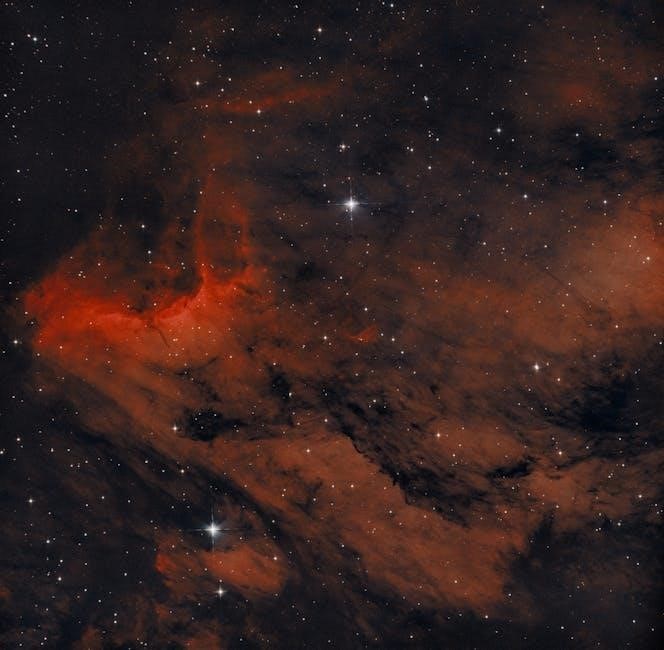
Interstellar objects are mysterious visitors from beyond our solar system, offering insights into cosmic formation and evolution. Their study expands our understanding of the universe’s vastness and complexity.
What Are Interstellar Objects?
Interstellar objects are celestial bodies that originate from outside our solar system, traveling through the vast expanse of interstellar space. These mysterious entities, such as asteroids or comets, are remnants from the formation of other star systems. They are characterized by their unique trajectories, which often bring them close to the Sun before they exit our solar system. Unlike local comets or asteroids, interstellar objects exhibit distinct chemical and physical properties shaped by their origins in distant stellar environments. Their passage through our solar system provides rare opportunities for scientists to study extraterrestrial materials and gain insights into the formation and evolution of other planetary systems. These objects are fleeting visitors, offering a glimpse into the cosmic diversity beyond our own celestial neighborhood.
Why Are Interstellar Objects Important?
Interstellar objects are crucial for understanding the formation and evolution of planetary systems beyond our own. They provide unique insights into the chemical and physical conditions of distant stars and galaxies. These objects, such as comets and asteroids, carry organic materials and other cosmic residues, potentially holding clues to the origins of life. By studying their composition and trajectories, scientists can reconstruct the history of other star systems and gain insights into the universe’s diversity. Additionally, interstellar objects challenge our current theories about cosmic phenomena, driving advancements in astronomy and astrobiology. Their discovery also raises intriguing questions about the possibility of extraterrestrial life and the interconnectedness of celestial bodies across vast distances.
The Discovery of the First Interstellar Comet
The first interstellar comet, Oumuamua, was discovered in 2017 by the Pan-STARRS telescope. Its unusual shape and origin sparked global scientific interest and curiosity about extraterrestrial life.
Oumuamua: The First Confirmed Interstellar Object
Oumuamua, discovered in 2017, is the first confirmed interstellar object to traverse our solar system. Its unique, elongated shape sparked curiosity about its origins and composition.
Scientists speculate it could be a comet or asteroid from another star system. The object’s unusual trajectory and properties have fueled debates about its nature, including controversial theories suggesting it might be artificial.
The Science Behind Detecting Interstellar Objects
Detecting interstellar objects relies on advanced telescopes and precise tracking systems. The Asteroid Terrestrial-impact Last Alert System (ATLAS) and Pan-STARRS have been instrumental in identifying these visitors.
These systems monitor vast areas of the sky for unusual trajectories, distinguishing interstellar objects from local asteroids and comets. Early detection is crucial due to their rapid movement.
The challenge lies in their brief visibility and unique paths, requiring sophisticated algorithms to confirm their interstellar origins. This process involves calculating their velocity and trajectory relative to our solar system.
Such discoveries highlight the importance of continuous sky surveys and international collaboration in understanding these cosmic wanderers.
The Third Interstellar Comet: 3I/ATLAS
3I/ATLAS, the third interstellar comet, was detected by the ATLAS telescope in Chile, showcasing its unique cylindrical shape and brightness as it traverses our solar system.
Overview of Comet 3I/ATLAS
Comet 3I/ATLAS, the third confirmed interstellar comet, was first detected on July 1, 2025, by the ATLAS telescope in Chile. Its discovery marked a significant milestone in interstellar research, as it represents one of the rare objects originating from outside our solar system. The comet’s trajectory indicates it is currently on the opposite side of the Sun from Earth, making ground-based observations challenging. Initial data suggest it has a cylindrical shape and is moving rapidly through the solar system. A viral image purportedly showing the comet captured by NASA’s Mars Perseverance rover has sparked public interest, though its authenticity remains unverified. Scientists are eager to study 3I/ATLAS to gain insights into its composition and origin, which could reveal new details about the formation of other star systems.
Unique Features of 3I/ATLAS
Comet 3I/ATLAS exhibits several distinctive characteristics that set it apart from other interstellar objects. Its cylindrical shape, captured in a viral image allegedly taken by NASA’s Mars Perseverance rover, suggests a unique geometric form. The comet’s rapid motion through the solar system, detected by the ATLAS telescope, highlights its interstellar origin. Unlike Oumuamua, 3I/ATLAS appears to have a more defined cometary structure, with signs of activity as it approaches the Sun. Its trajectory places it on the opposite side of the Sun from Earth, making ground-based observations difficult. Scientists are particularly intrigued by its potential composition, which could offer clues about the formation of star systems beyond our own. These features make 3I/ATLAS a fascinating subject for ongoing astronomical research.
Significance of Interstellar Comets
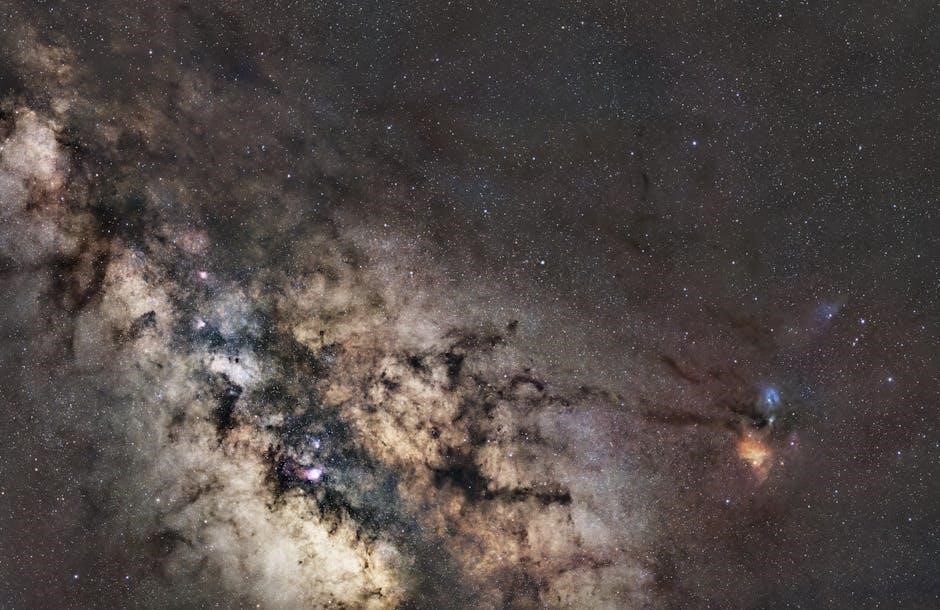
Interstellar comets provide unique insights into the formation and evolution of distant star systems, offering clues about the cosmic materials and processes that shape the universe.
What Do Interstellar Comets Tell Us About the Universe?
Interstellar comets reveal the diversity of planetary systems beyond our own, offering clues about the formation and evolution of stars and planets. These objects carry materials like water and organic molecules, potentially seeding life across galaxies. By studying their composition and structure, scientists gain insights into the cosmic processes that shape distant worlds. Their trajectories and origins also provide a window into the dynamics of other star systems, helping us understand how matter is distributed and transformed in the universe. Each interstellar comet is a messenger from the unknown, enriching our knowledge of the vast and complex cosmic landscape.
Implications for Astrobiology and the Search for Life
Interstellar comets hold profound implications for astrobiology, as they may carry organic molecules and water, essential for life. These objects could potentially transfer life-bearing materials between star systems, supporting the panspermia hypothesis. The discovery of interstellar visitors like 3I/ATLAS highlights the interconnectedness of cosmic ecosystems, suggesting that life’s building blocks are widespread. Additionally, the possibility of artificial origins for some objects, as speculated by controversial theories, raises questions about extraterrestrial intelligence. Studying these comets provides insights into the chemical and biological processes of distant systems, advancing our understanding of life’s origins and the potential for its existence elsewhere in the universe.
Astronomers’ Perspectives
Astronomers’ perspectives on interstellar objects vary, with some proposing they could be alien probes, while others focus on their scientific value for understanding cosmic phenomena.
Controversial Theories About Interstellar Objects
Controversial theories surround interstellar objects, with one prominent astronomer suggesting they could be alien probes testing humanity’s intelligence. This speculative idea, while intriguing, lacks concrete evidence. Most scientists attribute these objects to natural origins, such as asteroids or comets ejected from distant star systems. The unusual shape and motion of Oumuamua, the first confirmed interstellar object, sparked debates about its nature. While some propose it could be a spacecraft, others argue its characteristics align with a natural, albeit exotic, celestial body. The scientific community emphasizes the need for more data to resolve these mysteries. Such theories, while divisive, highlight the fascination and uncertainty surrounding interstellar visitors.
Expert Opinions on the Origin of 3I/ATLAS
Experts speculate that 3I/ATLAS, the third confirmed interstellar comet, likely originated from a distant star system. Its trajectory suggests it is not bound to our solar system. While most astronomers believe it is a natural object, possibly a comet or asteroid, some have proposed alternative theories. A viral image allegedly showing 3I/ATLAS near Mars sparked curiosity, though its authenticity remains unverified. Scientists emphasize that further observations are needed to determine its composition and origin. The object’s unusual path and brightness have fueled debates, but consensus leans toward a natural explanation. Continued study will help unravel the mysteries of this cosmic visitor and its journey through interstellar space.
Challenges in Tracking Interstellar Objects
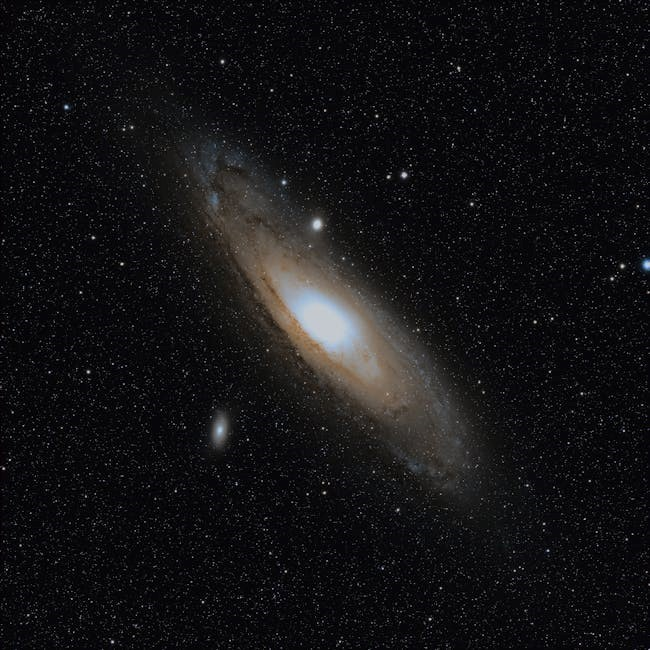
Tracking interstellar objects is challenging due to their brief passage, limited observation time, and often distant or sunward positions, requiring advanced telescopes for accurate monitoring and analysis.
Technological Limitations in Observing Interstellar Objects
Observing interstellar objects poses significant technological challenges. Current telescopes struggle to detect these fast-moving, small, and often faint objects, especially when they are near the sun or distant. The brief time these objects spend in our solar system limits observation windows, making detailed analysis difficult. Additionally, their unpredictable trajectories and small sizes reduce the likelihood of early detection. Advanced telescopes, like ATLAS, are crucial but still face limitations in tracking objects on the opposite side of the sun or those with unusual compositions. These challenges highlight the need for more sophisticated technologies to fully understand these cosmic visitors and their origins.
The Role of Telescopes in Detecting Interstellar Visitors
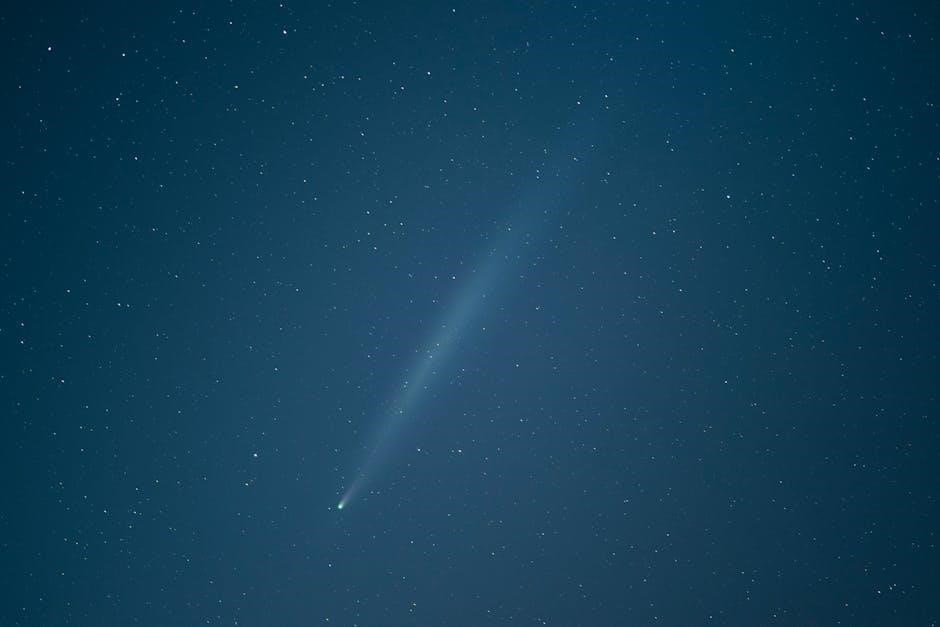
Telescopes play a pivotal role in identifying interstellar objects, enabling astronomers to detect and track these elusive visitors. The ATLAS telescope, for instance, has been instrumental in discovering objects like 3I/ATLAS, highlighting the importance of advanced survey systems. These instruments allow scientists to monitor vast areas of the sky, capturing fleeting glimpses of interstellar objects as they pass through our solar system. Despite challenges like objects being on the opposite side of the sun, telescopes remain our primary tools for understanding these cosmic wanderers. Their ability to detect faint and fast-moving objects has revolutionized the field, providing critical data for further research and exploration.
Future of Interstellar Exploration
Upcoming missions and advanced telescopes promise deeper insights into interstellar objects, potentially revealing new discoveries and expanding humanity’s understanding of the cosmos.
Upcoming Missions to Study Interstellar Objects
Future missions, such as NASA’s James Webb Space Telescope and the Nancy Grace Roman Telescope, are set to revolutionize the study of interstellar objects. These advanced observatories will provide unprecedented detail, enabling scientists to analyze the composition and origins of interstellar visitors. The ATLAS telescope, which discovered Comet 3I/ATLAS, continues to play a crucial role in detecting such objects. Additionally, proposed missions aim to intercept and study interstellar objects up close, offering new insights into their formation and the systems they originate from. These efforts will significantly enhance our understanding of the universe’s diversity and the potential for life beyond our solar system.
The Potential for Human Exploration of Interstellar Space
Human exploration of interstellar space represents a monumental leap in space travel, driven by curiosity and the quest for discovery. While current technology limits us to observing interstellar objects like 3I/ATLAS, future advancements could enable manned missions to distant star systems. The challenges are immense, including vast distances, radiation exposure, and propulsion limitations. However, innovations in nuclear propulsion, generation ships, and hibernation technology offer hope. The discovery of interstellar objects highlights the universe’s vastness and the potential for resource utilization. Exploring interstellar space could unlock new frontiers, expand humanity’s presence, and reveal secrets about the cosmos. It is a daunting yet inspiring frontier that could redefine our species’ future.
The discovery of interstellar objects like 3I/ATLAS expands our understanding of the cosmos, revealing new mysteries and inspiring future exploration of the universe’s uncharted territories.
The Impact of Interstellar Discoveries on Space Exploration
The discovery of interstellar objects like 3I/ATLAS and Oumuamua has revolutionized space exploration, pushing the boundaries of human knowledge. These objects provide unique insights into the formation and composition of other star systems, inspiring new technologies and theoretical frameworks. By studying their trajectories and properties, scientists gain a deeper understanding of the cosmos, fostering innovation in astronomy and related fields. These findings also highlight the importance of international collaboration and advanced telescopes in detecting such phenomena. As interstellar discoveries continue, they pave the way for future missions and a broader understanding of the universe, potentially uncovering secrets about life beyond Earth and the origins of our solar system.
Looking Ahead: The Next Frontier in Interstellar Research
The study of interstellar objects opens new avenues for understanding the universe’s diversity and complexity. Future research will focus on advanced detection technologies and missions like the James Webb Space Telescope, which can analyze the composition of these visitors. The Nancy Grace Roman Telescope will also play a key role in identifying more interstellar objects. These efforts aim to uncover the origins of such objects, their role in spreading life, and the potential for extraterrestrial intelligence. By exploring interstellar space, humanity may uncover answers to fundamental questions about cosmic evolution and the possibility of life beyond Earth, driving us closer to understanding our place in the universe.



About the author