Understanding Wedding Dress Sizes: A Comprehensive Guide (Updated 04/01/2026)
Navigating bridal sizing is complex; this guide offers essential insights into wedding dress sizes, charts, and accurate measurements for a flawless fit.
Embarking on your wedding dress journey often begins with a surprising realization: bridal sizing differs significantly from ready-to-wear clothing.
Don’t be discouraged if the size on the label isn’t what you typically wear!
Wedding dress sizes are based on a unique set of measurements, and can vary between designers.
Understanding this from the outset is crucial for a stress-free shopping experience.
This guide aims to demystify the process, providing a comprehensive overview of key measurements, decoding size charts, and offering practical advice for achieving the perfect fit.
Accurate measurements are paramount, whether you’re shopping in a boutique or online.
We’ll explore the tools you’ll need, step-by-step measurement techniques, and what to do if you fall between sizes.
Why Wedding Dress Sizes Differ from Regular Clothing
Bridal sizing operates differently because wedding dresses are often constructed with different design principles than everyday apparel. Ready-to-wear clothing is typically designed to fit a broader range of body types, prioritizing comfort and ease of movement.
Wedding dresses, however, are frequently made to a more precise silhouette, emphasizing a flattering and structured fit.
Furthermore, wedding dress manufacturers often utilize different size charts than standard clothing brands.
These charts prioritize bust and waist measurements, as these are critical for a well-fitted gown.
It’s common to find a wedding dress size several sizes larger than your usual clothing size – this is perfectly normal!
Don’t let the number on the tag dictate your feelings; focus on how the dress feels and fits your body.
Key Measurements for a Wedding Dress
Accurate measurements are crucial! Key areas include bust, waist, hips, hollow to hem, and shoulder to bust, ensuring a perfectly tailored wedding gown.
Bust Measurement
Determining your bust measurement is fundamental for a well-fitting wedding dress. Begin by wearing a properly fitted, non-padded bra – the same one you intend to wear with your gown. Stand naturally with your arms relaxed at your sides.
Wrap the measuring tape around the fullest part of your bust, ensuring the tape is level all the way around your back and under your arms. Do not pull the tape too tightly; it should be snug but comfortable.
Take the measurement in inches or centimeters, and record it accurately. This measurement is vital as it dictates the size of the bodice and overall fit of the dress. Remember to breathe normally during the measurement process for the most accurate result.
Waist Measurement
Accurately measuring your waist is crucial for achieving a flattering silhouette in your wedding dress. Locate your natural waistline – this is typically the narrowest part of your torso, usually about an inch above your belly button.
Stand naturally and exhale gently. Wrap the measuring tape around your natural waistline, ensuring it’s level all the way around. Avoid pulling the tape too tight; it should rest comfortably without compressing your abdomen.
Record the measurement in inches or centimeters. This measurement is essential for dresses with fitted bodices or defined waistlines. Remember to maintain a relaxed posture during measurement for the most precise result.
Hip Measurement
Determining your hip measurement is vital, especially for dresses with fitted skirts or mermaid silhouettes. Stand with your feet together and ensure your weight is evenly distributed. Locate the fullest part of your hips and buttocks – this is where you’ll measure.
Wrap the measuring tape around your hips, keeping it level and parallel to the floor. Avoid pulling the tape too tightly; it should skim comfortably over your curves. Ensure the tape passes over both hip bones.
Record the measurement in inches or centimeters. This measurement is crucial for dresses that emphasize the hip area. Maintaining a relaxed stance will provide the most accurate hip measurement for a perfect fit;
Hollow to Hem Measurement
The hollow to hem measurement is essential for achieving the correct dress length. This measurement is taken from the hollow of your neck – the point where your collarbone meets your neck – straight down to the floor while wearing your wedding shoes.
Stand tall with good posture and have a friend assist you for accuracy. Use a measuring tape and start at the hollow of your neck, extending it down to the sole of your shoe. Ensure the tape is straight and doesn’t curve with your body.
Record this measurement carefully, as it directly impacts the hemline of your gown. Consider the heel height of your chosen wedding shoes when taking this measurement for a perfect fit.
Shoulder to Bust Measurement
The shoulder to bust measurement is crucial for ensuring a well-fitted bodice. This measurement determines how the dress will drape across your shoulders and chest, impacting overall comfort and appearance.
To take this measurement accurately, stand straight with your arms relaxed at your sides. Begin at the outer edge of one shoulder, running the measuring tape across your chest to the fullest part of your bust, and then to the outer edge of the other shoulder. Keep the tape level and snug, but not tight.
Record this measurement carefully, as it’s vital for designers to create a flattering silhouette. This measurement, combined with your bust size, helps determine the correct dress size and shape.
Decoding Wedding Dress Size Charts
Bridal size charts differ significantly from standard clothing sizes; understanding these variations and designer specifics is key to finding your perfect wedding dress fit.
Standard Wedding Dress Size Charts
Standard wedding dress size charts are a starting point, but remember they aren’t universally consistent. Typically, a size 8 wedding dress correlates to a street size 8, however, this isn’t always reliable. Charts generally focus on bust, waist, and hip measurements, providing a range for each size.
Most charts begin at size 2 and extend to size 28, though availability can vary by designer and retailer. It’s crucial to compare your measurements against the specific chart provided by the brand you’re considering. Don’t assume your usual size will translate directly; accurate measurement is paramount.
These charts often don’t account for body shape or individual proportions, making alterations almost inevitable. Always prioritize the largest measurement when determining your initial size, as dresses can be taken in but not let out significantly.
Bridal Size Conversion Charts (US, UK, Europe)
Bridal size conversion charts are essential when shopping internationally or comparing sizes across different designers. US sizing is the most common starting point, but UK and European sizes differ significantly. A US size 8, for example, doesn’t equate to a UK or European size 8.
Generally, UK sizes are two sizes smaller than US sizes, and European sizes can vary even further. Charts typically provide a direct conversion, but discrepancies can occur due to varying brand standards. Always double-check the specific chart provided by the retailer or designer.
These charts are a helpful guide, but relying solely on them isn’t enough; accurate measurements remain crucial for a perfect fit, regardless of the country of origin.
Understanding Designer-Specific Size Charts
Designer sizing varies considerably, making a universal chart unreliable. Each bridal designer often employs unique sizing standards, differing from standard US, UK, or European conversions. What you wear in a Maggie Sottero gown won’t necessarily translate to an Allure Bridals dress.
These variations stem from differing design philosophies and target body types. Some designers run small, while others are more generous in their cuts. Always prioritize the specific size chart provided by the designer you’re considering.
Consulting with a bridal consultant familiar with the designer’s sizing is invaluable. They can help interpret the chart and recommend the most appropriate size based on your measurements.
Taking Accurate Measurements at Home
Precise self-measurement is key for online or initial boutique visits; utilize a flexible measuring tape, a full-length mirror, and ideally, a helper for accuracy.
Tools You’ll Need (Measuring Tape, Mirror, Assistance)
Embarking on accurate self-measurement requires a few essential tools. First, a flexible, non-stretch measuring tape is paramount; fabric tapes yield inaccurate results. A full-length mirror is crucial, allowing you to view your body’s contours while measuring, ensuring the tape remains level. Ideally, enlist the assistance of a friend or family member.
Having someone else take your measurements minimizes errors and ensures a snug, but not constricting, fit. If measuring alone, position the mirror strategically to observe your back. Comfortable, form-fitting undergarments, similar to those you’ll wear with the dress, are also vital for realistic measurements. Avoid bulky clothing that could distort the results. Finally, a pen and paper (or a notes app) are needed to record each measurement carefully!
Step-by-Step Guide to Bust, Waist & Hip Measurements
Accurate measurements are key to finding your perfect fit. For the bust, measure around the fullest part of your chest, keeping the tape level across your back. Don’t pull the tape too tight! Next, determine your waist measurement by finding the narrowest part of your torso, typically above your belly button.
Ensure the tape is comfortably snug. Finally, measure your hips at the fullest point, keeping the tape level. Stand with your feet together during hip measurement. Record each measurement in inches or centimeters. Repeat each measurement a couple of times to confirm accuracy. Remember to breathe normally and maintain good posture throughout the process!
Getting the Correct Hollow to Hem Measurement
The hollow to hem measurement is crucial for dress length. Begin by standing straight with your feet flat on the floor, wearing the shoes you plan to wear with your dress. Locate your hollow – the indentation at the base of your neck.
Have a friend or bridal consultant measure from this point straight down to the floor. Ensure the tape measure is taut but not constricting. This measurement determines the dress’s length and potential hemming needs; Accurate measurement avoids costly alterations! Double-check this measurement, as even a small error can significantly impact the final fit.
Tips for Accurate Self-Measurement
Self-measuring requires precision! Wear minimal clothing, ideally just your undergarments, similar to what you’ll wear with the dress. Stand tall and relaxed, maintaining good posture. Don’t pull the measuring tape too tightly, but ensure it’s snug and level.
Seek assistance if possible; it’s easier for someone else to get accurate readings. Measure multiple times to confirm consistency. Don’t measure over clothing, as it adds unnecessary bulk. Round up to the nearest whole number if you’re between sizes. Accurate measurements are the foundation for finding your perfect wedding dress fit!
What to Do If You’re Between Sizes
Bridal sizing can be tricky! Sizing up allows for alterations, while sizing down risks a poor fit. Consult a bridal professional for guidance.
Sizing Up vs. Sizing Down
Deciding whether to size up or down when you fall between sizes is a crucial step. Generally, it’s always safer to size up. It’s significantly easier for a seamstress to take a dress in to create a more fitted silhouette than it is to try and add fabric to a dress that’s too small.
A larger size provides more room for alterations and ensures you won’t feel constricted or uncomfortable. Ordering a size too small can limit alteration options and potentially compromise the dress’s structure and design. Remember, alterations are expected, and a little extra fabric offers flexibility. Prioritize comfort and a flawless fit over adhering to a specific number on the size chart.
Consider the dress’s construction; heavily structured gowns may be harder to alter significantly.
The Importance of Alterations
Alterations are an absolutely essential part of the wedding dress process, rarely will a gown fit perfectly off the rack. Even if you order what seems like the correct size, adjustments are almost always needed to achieve a truly flattering and comfortable fit. Think of alterations as the final step in customizing your dream dress.
Common alterations include hemming the length, taking in or letting out the bodice, adjusting straps, and adding supportive features. These modifications ensure the dress complements your body shape and allows you to move with ease on your special day. Don’t view alterations as a sign of a flawed purchase; they’re a standard practice!
Budget for alterations when considering the overall cost of your gown.
Working with a Bridal Consultant
A skilled bridal consultant is an invaluable resource throughout your wedding dress journey, especially when navigating sizing complexities. They are trained to accurately assess your body shape and guide you toward styles that will flatter your figure. Don’t hesitate to share your concerns about sizing – they’ve assisted countless brides!
A good consultant won’t simply tell you what size to order; they’ll focus on how the dress fits and discuss potential alterations. They can explain how a designer’s sizing runs and help you understand the difference between standard and your unique measurements.
Trust their expertise and be open to their suggestions; they want you to feel confident and beautiful.
Common Wedding Dress Size Myths Debunked
Don’t assume your usual size applies! Designers vary, and bridal sizing differs from ready-to-wear; alterations are key to achieving a perfect, personalized fit.
Myth: You Should Order the Same Size Dress as Your Regular Clothes
This is a very common misconception! Wedding dress sizes often do not align with the sizes you typically wear in everyday clothing. Bridal sizing tends to run smaller than standard ready-to-wear sizes, and can vary significantly between designers.
Don’t be discouraged if you find yourself needing a larger size in a wedding dress than you usually purchase. It’s crucial to focus on your measurements, not the number on the label. Relying on your regular clothing size can lead to a dress that is too small, requiring extensive and potentially costly alterations.
Always prioritize accurate measurements and consult the specific size chart for the designer you’re considering. A professional fitting is highly recommended to ensure the best possible fit and avoid unnecessary stress.
Myth: All Designers Use the Same Sizing
A significant misunderstanding exists regarding consistency in bridal sizing. Each wedding dress designer often employs their own unique sizing chart and standards. What constitutes a “size 8” at one bridal house may fit completely differently at another.
This variability stems from differing design philosophies, target body types, and manufacturing processes. It’s essential to avoid assuming that a size you’ve worn with one designer will automatically translate to the same fit with another.
Always, always refer to the specific size chart provided by the designer of the dress you are trying on or ordering. Consulting with a bridal consultant can also help navigate these discrepancies and ensure a proper fit.
Myth: You Can Lose Weight Before the Wedding and Order a Smaller Size
The temptation to diet drastically before the wedding is common, but ordering a dress based on anticipated weight loss is risky. While some adjustments can be made, significantly altering a gown’s size can compromise its design and fit.
It’s far more advisable to order the dress based on your current measurements. A skilled seamstress can always take a dress in, but letting a dress out significantly can be challenging and costly.
Focus on healthy habits, but prioritize a comfortable and flattering fit now, rather than banking on a future size that may not materialize. Ordering for today’s body ensures a beautiful and stress-free experience.
The Role of Alterations in Achieving the Perfect Fit
Alterations are crucial for a flawless fit; hemming, taking in, and adding support customize your gown, ensuring it complements your body beautifully.
Types of Alterations (Hemming, Taking In, Adding Support)
Hemming adjusts the dress length, vital for achieving the perfect silhouette with your chosen footwear. Taking in alterations reshape the dress to precisely match your waist, bust, and hip measurements, creating a contoured fit. This often involves adjusting side seams and potentially the back.
Adding support is frequently needed for strapless or low-back gowns; this includes incorporating built-in bras, adding straps, or utilizing fashion tape for security and comfort. Other common alterations include adjusting straps, reshaping the neckline, and adding or removing embellishments. A skilled seamstress can also address issues with the dress’s structure, ensuring it drapes beautifully and moves with you comfortably throughout your wedding day. Remember, even a dress close to your size will likely require some adjustments!
Finding a Qualified Seamstress
Locating an experienced seamstress specializing in bridal alterations is crucial. Seek recommendations from your bridal salon, friends, or online reviews. A portfolio showcasing previous work is invaluable – look for examples of similar dress styles to yours.
Schedule consultations with several seamstresses to discuss your alteration needs and assess their expertise. Inquire about their pricing structure, turnaround time, and fitting schedule. Ensure they understand your vision for the dress and are comfortable working with delicate fabrics and intricate designs. A good seamstress will offer clear communication, meticulous attention to detail, and a commitment to achieving a flawless fit. Don’t hesitate to ask questions and trust your instincts!
Alteration Timeline & Costs
Allow ample time for alterations – ideally, begin the process 6-8 weeks before your wedding date. The initial fitting usually occurs shortly after receiving the dress, followed by subsequent fittings to refine the adjustments. Complex alterations, like significant resizing or custom design changes, require more time.
Alteration costs vary widely depending on the complexity of the work. Simple hemming typically ranges from $100-$300, while taking in or letting out the dress can cost $150-$500 or more. Extensive alterations, such as adding sleeves or restructuring the bodice, may exceed $800. Obtain a detailed quote from your seamstress before proceeding, and factor these costs into your wedding budget.
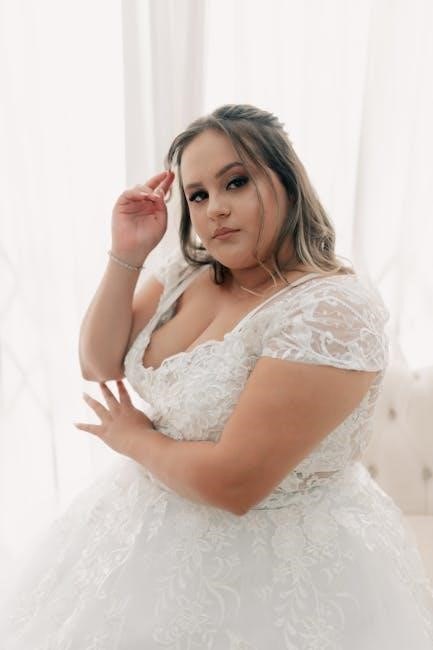
Shopping for a Wedding Dress Online
Online bridal shopping offers convenience, but requires careful attention to return policies, size charts, and virtual consultation options for a successful fit.
Risks and Benefits of Online Bridal Shopping
Online wedding dress shopping presents a unique blend of advantages and potential drawbacks. The convenience of browsing a vast selection from the comfort of your home is a significant benefit, often accompanied by competitive pricing. However, the inability to physically try on dresses before purchasing introduces inherent risks.
Accurate sizing becomes paramount, relying heavily on detailed measurements and careful comparison to the retailer’s size chart. Variations in designer sizing further complicate matters, making it crucial to research specific brand guidelines. The risk of needing alterations is almost guaranteed, adding to the overall cost.
Furthermore, color discrepancies between the online image and the actual dress can occur due to screen settings. Thoroughly reviewing return policies and understanding size exchange procedures is essential before committing to a purchase. Despite these risks, online shopping can be a viable option for brides who know their measurements and are comfortable with potential alterations.
Checking Return Policies and Size Exchanges
Before purchasing a wedding dress online, meticulously examine the retailer’s return policy and size exchange procedures. Understand the timeframe allowed for returns, whether a full refund is offered, or only store credit is available. Pay close attention to any restocking fees or shipping costs associated with returns.
Size exchanges can be particularly complex. Determine if the retailer offers free exchanges for incorrect sizes, or if you’re responsible for return shipping and the cost of the new size. Some retailers may only offer alterations as a solution instead of a direct exchange.
Carefully review the conditions for a valid return; dresses may need to be unworn, with tags attached, and in their original packaging. Document everything – screenshots of the policy, order confirmations, and communication with customer service – to protect yourself in case of disputes.
Utilizing Online Size Guides and Virtual Consultations
Many online bridal retailers provide detailed size guides, often including specific measurements for their dresses and conversions between US, UK, and European sizes. Don’t rely solely on your usual clothing size; carefully compare your measurements to the provided chart.
Take advantage of virtual consultations offered by some retailers. These sessions allow you to speak with a bridal consultant who can guide you through the sizing process, answer your questions, and offer personalized recommendations.
Be prepared to provide accurate measurements during the consultation. Some retailers even offer virtual measuring tools or instructions to ensure precision. Utilizing these resources can significantly increase your chances of ordering the correct size and minimizing the need for alterations.
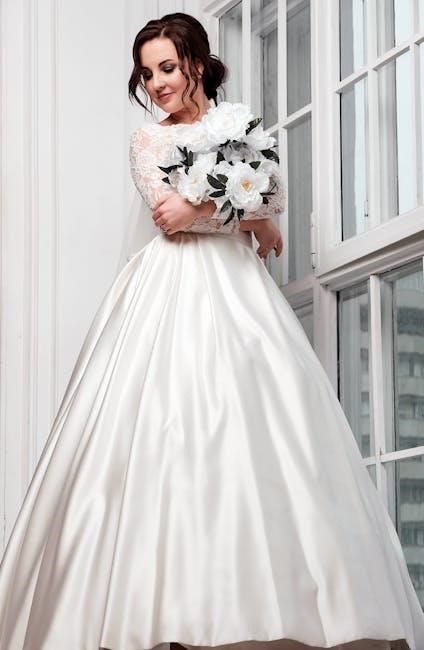
Finding Your Dream Dress and Perfect Fit
Ultimately, finding your dream wedding dress and achieving a perfect fit requires patience and a proactive approach to sizing. Don’t be discouraged by differing sizes compared to ready-to-wear clothing; bridal sizing operates differently.
Accurate measurements are paramount, whether taken at home or by a professional. Remember that alterations are almost always necessary to fine-tune the fit and ensure the dress flatters your figure.
Embrace the process and work closely with bridal consultants and seamstresses. A well-fitted dress will not only look stunning but also allow you to feel confident and comfortable on your special day, creating unforgettable memories.