
Supernatural Debt Cancellation Scriptures PDF: An Overview
Supernatural, a popular TV show, intersects with online searches for debt relief via PDFs claiming biblical support for financial freedom through faith and prayer.
Understanding the Core Concept
The central idea behind “supernatural debt cancellation” revolves around the belief that divine intervention can alleviate financial burdens, often citing biblical precedents for debt forgiveness. Proponents suggest specific scriptures, frequently compiled into PDF guides, unlock God’s provision for financial freedom.
These resources typically blend interpretations of Old Testament laws like the Jubilee Year with New Testament teachings on faith, prayer, and forgiveness. The core concept isn’t simply wishing debts away, but rather aligning oneself with God’s will through repentance, confession, and a dedicated prayer life, expecting a miraculous outcome. However, it’s crucial to discern between genuine faith and potentially harmful theological interpretations.
The Appeal of “Supernatural Debt Cancellation”
The allure of “supernatural debt cancellation” stems from a deep desire for financial relief, particularly during times of economic hardship. The promise of a quick, divinely-orchestrated solution resonates with individuals overwhelmed by debt and traditional financial struggles. PDF resources offering scriptural backing provide a sense of hope and empowerment, suggesting a path beyond conventional methods.
This appeal is amplified by the popularity of faith-based content online and the broader “prosperity gospel” movement. The idea that God desires believers to be financially blessed taps into a longing for security and abundance. However, it’s vital to approach these claims with discernment, recognizing potential for misinterpretation and unrealistic expectations.

Biblical Foundations & Interpretations
Examining Old and New Testament passages reveals themes of forgiveness, provision, and responsible stewardship, often cited within “supernatural debt cancellation” interpretations.
Old Testament Precedents for Debt Forgiveness
The Old Testament establishes a pattern of divinely ordained debt release, most notably through the institution of the Jubilee Year, detailed in Leviticus 25. This year, occurring every fifty years, mandated the cancellation of debts, the return of property to its original owners, and the freeing of indentured servants.
Proponents of “supernatural debt cancellation” frequently point to this as a scriptural precedent for believing God desires financial liberation for His people. However, it’s crucial to understand the Jubilee Year wasn’t a blanket erasure of responsibility, but a restoration within a specific covenantal framework.
Other instances, like God’s provision for Israel during times of famine and hardship, are also cited as examples of divine intervention relieving financial burdens, though not necessarily through direct debt cancellation.
The Jubilee Year: A Scriptural Basis
Leviticus 25 details the Jubilee Year, a cornerstone for arguments supporting “supernatural debt cancellation.” Occurring every fifty years, it wasn’t merely about financial relief, but a restoration of God’s original order. Debts were to be released, land returned to ancestral ownership, and Hebrew slaves set free – a complete societal reset.
PDFs advocating this concept often emphasize the Jubilee as a divine promise of economic freedom, suggesting believers can claim this principle today through faith. However, the Jubilee was intrinsically linked to Israel’s obedience to God’s law and served as a testament to His covenant.
Applying it directly to modern personal debt requires careful theological consideration, avoiding a simplistic or decontextualized interpretation.
New Testament Teachings on Debt & Forgiveness
The New Testament doesn’t explicitly advocate for blanket debt cancellation like the Jubilee Year, but emphasizes forgiveness – a central theme often linked to financial release in “supernatural debt cancellation” PDFs. Jesus taught forgiveness of debts as a parallel to receiving God’s forgiveness (Matthew 6:12-15), highlighting a spiritual principle.
Paul addresses owing debts in Romans 13:8, stating “Owe no one anything, except to love one another.” While not a prohibition on all borrowing, it stresses prioritizing love and fulfilling obligations. PDFs often interpret this through a lens of seeking God’s provision to enable debt freedom.
The focus shifts from legalistic release to a transformed heart.
Jesus’ Teachings on Debt (The Lord’s Prayer)
The Lord’s Prayer (Matthew 6:9-13) includes the petition, “Forgive us our debts, as we also have forgiven our debtors.” This verse is heavily utilized in “supernatural debt cancellation” PDFs, arguing that receiving forgiveness from God is contingent upon extending forgiveness – including financial debts – to others.
Proponents suggest that unforgiveness creates a spiritual block to financial blessing, while releasing debtors unlocks divine provision. They interpret “debts” not solely as monetary obligations, but as offenses requiring reconciliation.
PDFs often emphasize the reciprocal nature of forgiveness, linking it directly to experiencing God’s release from financial burdens.

Identifying Relevant Scriptures
Key verses in Deuteronomy, Psalms, Proverbs, and the New Testament are cited within these PDFs, promising financial deliverance through faith and scriptural application.
Key Verses Regarding Financial Freedom
PDFs promoting supernatural debt cancellation frequently highlight verses like Deuteronomy 15:6, emphasizing God’s promise to bless and lend to nations, suggesting divine provision for financial needs. Psalm 34:19 is often quoted, asserting deliverance from afflictions, interpreted as including financial burdens.
Proverbs 22:7, stating “the borrower is servant to the lender,” is used to underscore the dangers of debt and the desire for freedom. New Testament verses, such as Matthew 6:33 (“seek first the kingdom of God”), are presented as foundational for prioritizing spiritual matters over financial worries, leading to provision. Luke 6:38, about giving and receiving, is also commonly referenced, framing generosity as a key to unlocking financial blessings.
Psalms Related to Deliverance from Debt
PDFs advocating supernatural debt cancellation often draw heavily from the Book of Psalms, particularly those expressing trust in God’s provision and deliverance. Psalm 23, with its imagery of God as a shepherd providing for all needs, is frequently cited as a source of comfort and assurance. Psalm 37:5, encouraging trust in the Lord and doing good, is presented as a pathway to financial stability.
Psalm 41:1-3 speaks of God delivering the needy and afflicted, interpreted as encompassing financial hardship. Psalm 55:22, urging casting burdens upon the Lord, is highlighted as a means of releasing financial stress. Psalm 68:19 emphasizes God’s daily loading of us with benefits, suggesting consistent provision beyond debt.
Proverbs Offering Wisdom on Financial Management
Proverbs, renowned for practical wisdom, features prominently in “supernatural debt cancellation” PDFs, though often selectively applied. Proverbs 3:9-10, advocating honoring God with the firstfruits, is interpreted as a principle unlocking financial blessing. Proverbs 6:6-8 cautions against laziness, urging diligent work as a path to avoiding debt. However, these verses are sometimes presented without the accompanying emphasis on responsible planning.
Proverbs 21:20 stresses the importance of wisdom and knowledge in a household, implying sound financial decisions. Proverbs 22:7 warns against borrowing, a point often highlighted, yet sometimes divorced from nuanced biblical teaching on lending and responsible credit. PDFs often focus on verses promising prosperity while downplaying those emphasizing prudence.

Analyzing “Debt Cancellation” PDFs
These PDFs frequently blend scripture with personal testimonies, promising freedom from debt through prayer and faith, yet often lack robust theological grounding.
Common Themes in Supernatural Debt Cancellation PDFs
A recurring motif within these documents centers on the idea of breaking generational curses related to finances, often citing Deuteronomy 28 as a key scriptural reference. Many emphasize the power of specific prayers and declarations, believing spoken words can alter financial realities.
The Jubilee Year (Leviticus 25) is frequently highlighted as a biblical precedent for debt release, though interpretations often stretch its historical context to modern personal finance. PDFs commonly promote a “seed faith” principle – giving financially to unlock divine provision and debt cancellation.
Personal anecdotes of individuals experiencing debt relief after applying these principles are prevalent, serving as persuasive testimonials. A strong emphasis is placed on confessing financial sins and repenting for past mismanagement of resources, framing debt as a consequence of disobedience.
Examining Scriptural Accuracy in These PDFs
A critical assessment reveals frequent misapplications of scripture, often taking verses out of context to support pre-determined conclusions about debt cancellation. The Jubilee Year, for instance, was a communal, agricultural release, not an individual financial bailout.
Promises of prosperity are often selectively quoted, neglecting verses emphasizing stewardship, hard work, and responsible financial planning. The “seed faith” concept lacks direct biblical support as a guaranteed formula for debt relief.
Interpretations frequently rely on proof-texting – choosing verses that seem to fit the narrative while ignoring broader theological themes. Many PDFs lack scholarly engagement with biblical languages or historical context, presenting a simplified and potentially misleading view.
Potential Misinterpretations & Theological Concerns
A significant concern is the potential to foster spiritual dependency rather than empowering individuals to take responsible financial action. Equating faith with a “get out of debt free” card can discourage prudent budgeting and diligent work.
Theologically, these PDFs sometimes imply God is a cosmic benefactor solely focused on material blessings, diminishing the emphasis on spiritual growth, character development, and service to others.
Furthermore, attributing debt solely to demonic influence or curses can be harmful, ignoring systemic issues and personal responsibility. It risks victim-blaming and overlooks the complexities of financial hardship.

Practical Application & Prayer
Combining scriptural study with earnest prayer, alongside practical financial planning, offers a holistic approach to debt relief based on faith principles.
Developing a Prayer Strategy for Debt Relief
A focused prayer strategy, rooted in scriptures related to provision and freedom, is central to the “supernatural debt cancellation” concept found in many PDFs. Begin by confessing any financial mismanagement and seeking forgiveness. Pray specifically for wisdom in budgeting and increased income opportunities.
Utilize verses promising divine provision, like Philippians 4:19, declaring God’s ability to supply all your needs. Pray for the release of financial burdens, visualizing debt diminishing. Combine this with consistent prayer for creditors, fostering a spirit of reconciliation.
Many PDFs advocate praying against generational curses related to poverty. Maintain a posture of gratitude, acknowledging God’s faithfulness even amidst challenges, reinforcing a positive expectation of financial breakthrough.
Combining Faith with Financial Responsibility
While seeking supernatural intervention, PDFs emphasizing debt cancellation consistently stress the importance of practical financial responsibility. Faith isn’t a substitute for diligent budgeting, responsible spending, and actively seeking legitimate income. Ignoring sound financial principles undermines the prayer for debt relief.
Develop a detailed budget, track expenses, and prioritize debt repayment. Explore opportunities for increasing income, such as a second job or skill development. Avoid accumulating further debt while praying for cancellation.
These PDFs often advocate for tithing and giving, believing it demonstrates faith and opens channels for God’s provision. Responsible stewardship demonstrates a heart receptive to divine blessing, complementing the spiritual aspect of debt freedom.
The Role of Repentance and Confession
Many “supernatural debt cancellation” PDFs highlight repentance and confession as crucial steps before seeking financial freedom. This stems from biblical principles linking unconfessed sin to financial hardship and blocked blessings; Acknowledging past financial mismanagement – impulsive spending, dishonest dealings, or poor planning – is vital.
Confession involves openly admitting these failings to God, seeking forgiveness, and committing to changed behavior. Some PDFs suggest confessing specific debts and the circumstances surrounding them. This act of humility prepares the heart to receive divine intervention.
Repentance isn’t merely feeling sorry; it’s a turning away from past mistakes and embracing a new path of financial integrity.

Criticisms and Counterarguments
Critics argue that “supernatural debt cancellation” PDFs often lack sound theological grounding and promote financial irresponsibility, potentially leading to worsened debt situations.
Addressing Skepticism Regarding Supernatural Intervention
Skepticism surrounding claims of supernatural debt cancellation is understandable, given the prevalence of financial scams and the importance of responsible financial practices. Many question the idea that debt can simply vanish through prayer or faith declarations, viewing it as a distortion of biblical principles.
Proponents often cite instances of miraculous provision in scripture, but critics argue these are exceptions, not guarantees. They emphasize the biblical call to diligent work, wise saving, and responsible borrowing. A balanced perspective acknowledges God’s power while upholding the necessity of practical financial stewardship.
Ultimately, addressing skepticism requires demonstrating integrity, transparency, and a commitment to sound financial advice alongside spiritual encouragement, avoiding any implication of guaranteed outcomes.
The Importance of Responsible Financial Stewardship
While seeking divine intervention for debt relief, responsible financial stewardship remains paramount. The Bible doesn’t advocate for reckless spending or ignoring financial obligations, but rather for wisdom in managing resources. This includes budgeting, saving, and avoiding unnecessary debt accumulation.
Supernatural debt cancellation shouldn’t be viewed as a replacement for practical financial planning. Instead, it should complement diligent effort and wise decision-making. Relying solely on faith without taking concrete steps towards financial responsibility can be detrimental.
True freedom comes from aligning faith with action, demonstrating a commitment to both spiritual and financial health. God honors those who are faithful in all areas of life, including their finances.
Avoiding “Prosperity Gospel” Pitfalls
The concept of “supernatural debt cancellation” can inadvertently align with the prosperity gospel, a theological viewpoint that equates financial blessing with divine favor. This often suggests that faith alone guarantees wealth and freedom from financial hardship, which is a misinterpretation of scripture.
Genuine faith isn’t about manipulating God for personal gain, but about trusting in His provision and guidance, even amidst challenges. Debt isn’t necessarily a sign of spiritual failure, and seeking cancellation shouldn’t be motivated by greed or entitlement.
Focusing solely on financial blessings can distract from the core message of the Gospel – salvation through Jesus Christ. True wealth lies in a relationship with God, not in material possessions.

Resources & Further Study
Explore reputable biblical commentaries and ministries focused on financial wisdom; exercise caution with online PDFs, verifying their theological soundness and scriptural accuracy.
Recommended Biblical Commentaries
For a nuanced understanding of scriptures related to debt and financial freedom, several commentaries prove invaluable. Matthew Henry’s Complete Commentary offers detailed explanations of biblical passages, including those concerning lending and forgiveness. John Gill’s Exposition of the Entire Bible provides a historical and theological perspective, useful for interpreting Old Testament laws like the Jubilee Year.
Additionally, The Bible Knowledge Commentary delivers concise yet thorough insights into relevant verses. When examining passages used in “supernatural debt cancellation” teachings, these resources help discern original context. Warren Wiersbe’s Be Commentary Series offers practical application alongside scholarly analysis, aiding in responsible financial stewardship grounded in biblical principles. These commentaries promote informed discernment, crucial when evaluating claims within related PDFs.
Websites and Ministries Focused on Financial Freedom
Numerous online resources offer guidance on biblical financial principles, though discernment is vital when exploring “supernatural debt cancellation” themes. Crown Financial Ministries provides practical tools and courses based on sound stewardship. Dave Ramsey’s Ramsey Solutions offers debt reduction strategies and financial education. Compass – Finances God’s Way presents a biblical worldview on money management.
However, carefully evaluate any site promising instant debt relief through prayer alone. Seek ministries emphasizing both faith and responsible financial planning. Websites like Christian Credit Counselors offer legitimate debt counseling services. Always cross-reference teachings with established biblical commentaries to ensure accuracy and avoid potentially harmful financial advice.
Cautionary Notes on Online Resources
Exercise extreme caution when encountering “supernatural debt cancellation” PDFs and related websites. Many lack theological grounding and may promote unrealistic expectations. Be wary of sites requesting personal financial information or promising guaranteed results. Scrutinize the author’s credentials and motivations; some may exploit vulnerability for profit.
Prioritize resources from established, reputable ministries with a proven track record of biblical financial teaching. Avoid those promoting a “prosperity gospel” that equates faith with material wealth. Always verify claims against scripture and consult with a trusted financial advisor before making any significant decisions. Remember, genuine financial freedom involves both spiritual and practical steps.

The “Supernatural” TV Show Connection (Briefly)
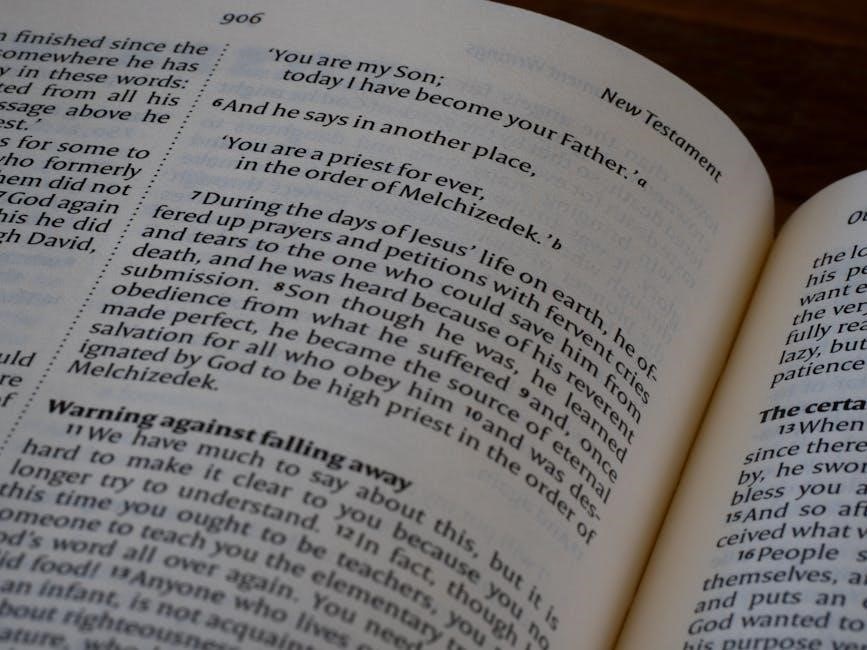
The show’s themes of deals with demonic entities for power ironically mirror some PDFs’ promises of quick debt relief through “supernatural” intervention.
Supernatural’s Depiction of Debt & Deals with Demons
Throughout Supernatural, characters frequently encounter situations where desperate individuals make pacts with demons or other supernatural beings in exchange for worldly gains, often involving financial relief or power. These deals invariably come with a horrific price, highlighting the dangerous consequences of seeking shortcuts or relying on dark forces to solve problems.
This narrative element serves as a cautionary tale, subtly mirroring the potential pitfalls found within some “supernatural debt cancellation” materials. The show demonstrates that seemingly easy solutions offered by questionable sources often lead to far greater spiritual and personal costs than the initial debt itself. The Winchesters consistently battle the fallout from such arrangements, emphasizing the importance of ethical and honest solutions.
How the Show Reflects Themes of Spiritual Warfare
Supernatural consistently portrays life as a battleground between good and evil, a core theme resonating with the spiritual undercurrents often present in discussions surrounding “supernatural debt cancellation.” The show depicts demons actively seeking to exploit human weaknesses, including financial vulnerability, to gain control.
This mirrors the idea, sometimes promoted within these PDFs, that debt is not merely a financial issue but a spiritual one, potentially stemming from demonic influence or a lack of faith. The Winchesters’ relentless fight against supernatural forces can be seen as an allegory for the struggle believers face when seeking freedom from oppressive burdens, including financial ones, requiring discernment and reliance on divine power.

PDF Format & Accessibility
PDFs offering “supernatural debt cancellation” scriptures are widely available online, but verifying their authenticity and ensuring reader accessibility is crucial for safe usage.
Finding and Downloading Relevant PDFs
Locating these PDFs typically involves targeted online searches using keywords like “supernatural debt cancellation scriptures,” “biblical debt relief PDF,” or “faith-based financial freedom.” Numerous websites and online ministries distribute these resources, often freely available for download. However, exercise caution when selecting sources. Prioritize established ministries or those with clear theological statements. Be wary of sites promising guaranteed results or employing overly sensational language.
Download only from reputable sources to minimize the risk of malware or compromised files. Always scan downloaded PDFs with updated antivirus software before opening them. Consider the file size and source credibility as indicators of legitimacy. Some PDFs may be hosted on cloud storage services; verify the sharing permissions and sender’s identity before accessing the content.
Ensuring PDF Security and Authenticity
Verifying the authenticity of “supernatural debt cancellation scriptures” PDFs is crucial. Check the source’s reputation; established ministries are generally more reliable. Examine the PDF’s metadata – author, creation date, and software used – for inconsistencies. Be cautious of PDFs lacking author information or originating from unknown sources.
Security risks include malware and potentially misleading theological content. Scan downloaded files with robust antivirus software. Look for digital signatures, indicating the document hasn’t been tampered with. Avoid clicking external links within the PDF unless you trust the source. Prioritize PDFs hosted on secure (HTTPS) websites. Always critically evaluate the content, comparing it to established biblical teachings.
Accessibility Considerations for PDF Readers
When accessing “supernatural debt cancellation scriptures” PDFs, ensure usability for all. Many PDFs lack proper tagging, hindering screen reader compatibility for visually impaired users. Look for PDFs marked as “accessible” or created with accessibility in mind. Utilize PDF readers with built-in accessibility features, like text-to-speech and adjustable font sizes.
Consider alternative formats if the PDF is inaccessible. Optical Character Recognition (OCR) can convert scanned images into searchable text. Prioritize PDFs with clear formatting, logical reading order, and sufficient color contrast. Report accessibility issues to the PDF provider to encourage improvements. Remember, spiritual resources should be available to everyone.



About the author